

“Are we there yet?” is the question, everyone asks at this time of year. Are we finished with work or school for the year? Have we reached our favourite holiday spot? “Are we there yet?” is a question we also ask when reflecting on our bigger journeys.
For the last seven years, Australian Catholic organisations across the health, hospitals and aged care sector have been on a journey to end modern slavery, through the Australian Catholic Anti-Slavery Network. When it comes to ending modern slavery, we are definitely not there yet.
Forced labour, the most common form of modern slavery, remains a largely unaddressed risk in Australian operations and supply chains. But with goodwill and collaboration, I am pleased to report encouraging progress on this front by Catholic organisations in the healthcare sector.
ACAN Progress Report 2026
Since Australia’s Modern Slavery Act came into force in 2019, ACAN has worked with large Catholic organisations to submit public modern slavery statements annually. This is a requirement under the Act. So is demonstrating continuous improvement from year to year.
ACAN collects and collates data across more than 50 organisations about various aspects of risk management. This means Catholic progress responding to modern slavery is measurable.
The benefits of Catholics working together are borne out in our latest ACAN Progress Report, which is hitting inboxes and mailboxes this month.
Since the start of the ACAN Program:
- More than 30,000 staff in Catholic organisations have completed e-learning on modern slavery
- Almost 10,000 suppliers have completed ACAN supplier surveys
- More than 3,000 suppliers in high risk sectors have been invited to join the ethical data platform Sedex to provide greater transparency of their management systems.
Greater government expectations
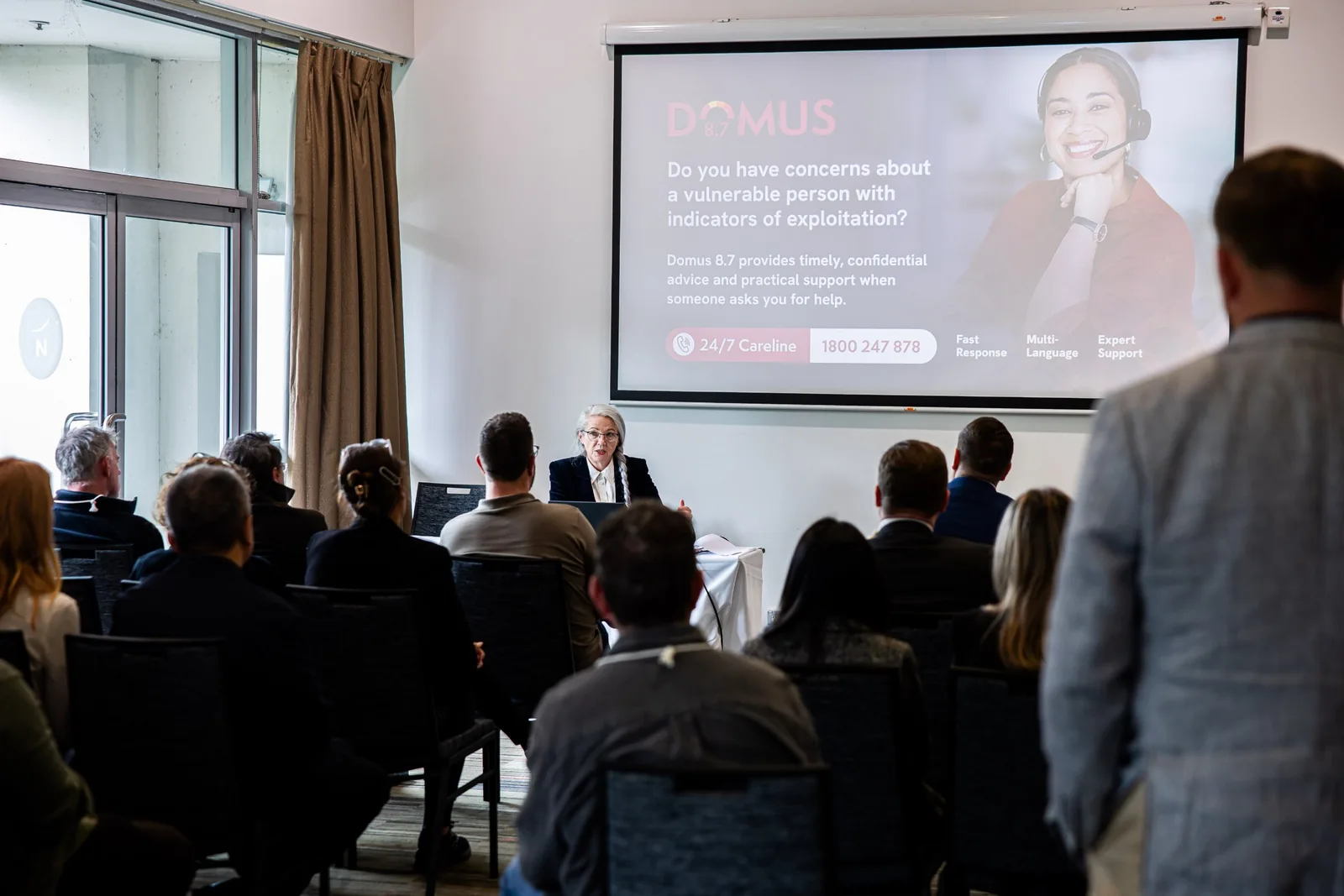
Referrals of people to ACAN’s modern slavery remediation service, Domus 8.7, are increasing. This means practical assistance to people for transport, accommodation and essentials, as well as referrals to other supports.
The Domus 8.7 Careline provides 24/7 access for staff or people in vulnerable situations, to escalate concerns about possible modern slavery. This assistance includes access to the TIS national interpreting service. This service is timely, because expectations on organisations to manage modern slavery risk more effectively is increasing too.
In August this year, the Federal Government proposed a new criminal offence for ‘failure to prevent’ modern slavery by entities covered by the Modern Slavery Act. The Australian Anti-Slavery Commissioner Chris Evans is also pushing for the introduction of modern slavery due diligence. At the stage, the regulatory requirements beyond 2027 are unclear. What is clear is that expectations will be greater.
More regulation is not a prescription that anyone in the highly regulated healthcare sector is likely to welcome. However, Catholic member organisations can take comfort that ACAN will enable them to meet any future compliance requirements.
In the coming months ACAN will roll out Workplace Conditions Audits for members, as the basis for in-house modern slavery due diligence. We also have a proposal to embed modern slavery risk management in preferred terms with major suppliers in high-risk industries.
Focus for 2027
ACAN’s focus for the healthcare sector in 2027 remains the indirect workforce, meaning agency staff who are personal care workers or assigned to laundry and kitchen duties but engaged by labour hire service providers. Materiality is a key concept in risk management. It means focusing your compliance efforts on the immediate workforce that we can reach. This is where Catholic healthcare organisations can leverage our collective efforts and have the most effect.
It is difficult to change behaviour in other organisations. What we can change ourselves is how we respond to risks that present on our own sites.
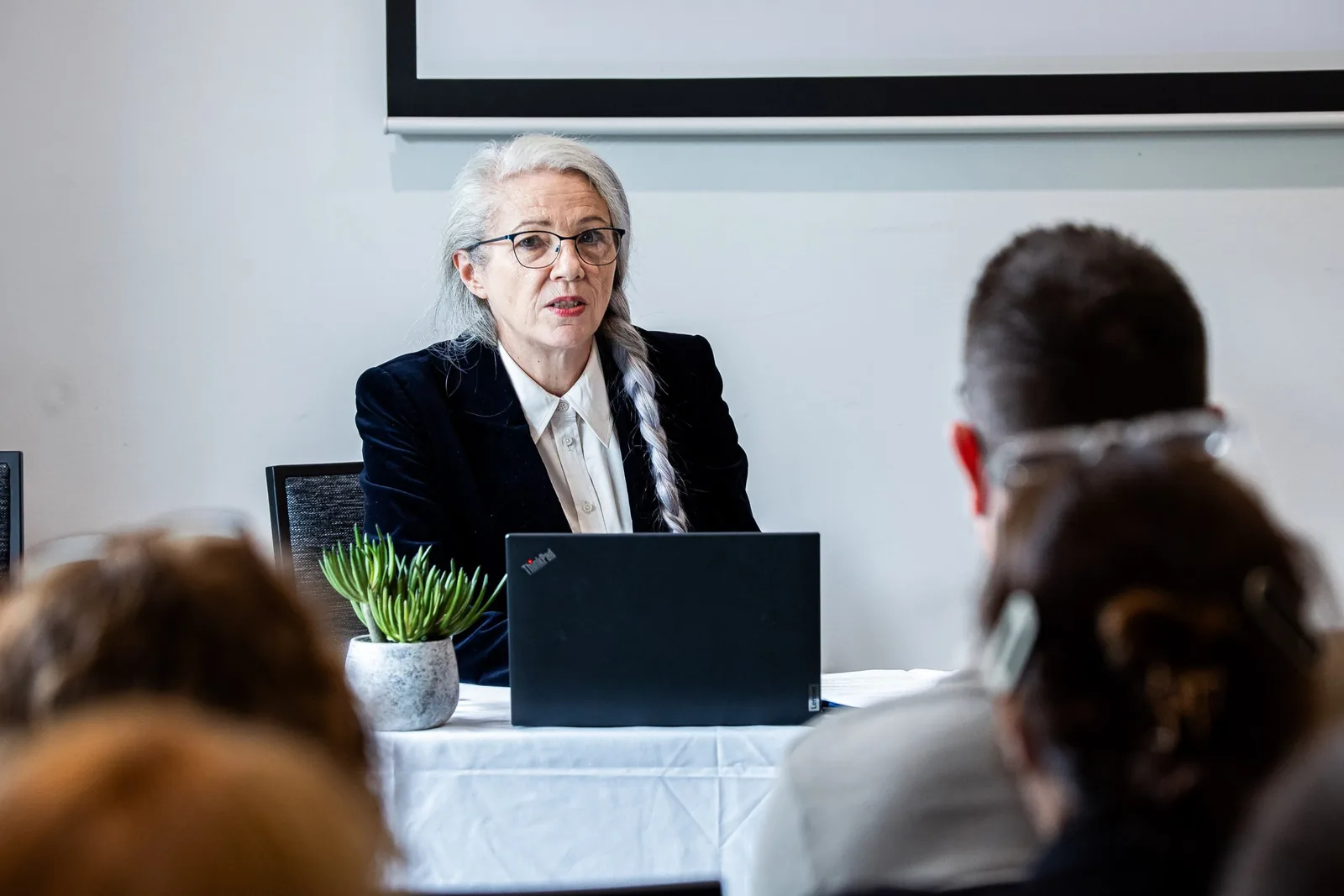
ACAN encourages members to pay closer attention to all workers on their sites, cleaners and security staff, particularly on contract. They are especially vulnerable to labour exploitation. Effective grievance channels and worker voice are a key part of this response.
Breaking the chains
The road to ending modern slavery is a long one, and there are many competing priorities for our attention and resources.
Catholic leadership on the issue continues to be strong. This year we were inspired by the Holy Father, Pope Leo XIV, for addressing modern slavery in his first encyclical letter, Magnifica Humanitas.
The subtitle of Magnifica Humanitas is “safeguarding the human person in the time of Artificial Intelligence.” But the encyclical covers more than AI. The Holy Father dedicates a whole section to “Breaking the chains of new forms of slavery.” He talks extensively about the need to uphold the dignity of work, including this powerful call to action:
“It falls to us today to denounce, clearly and firmly, trafficking in its many forms, and together with all who are committed to this cause, to support concrete efforts of prevention, protection, liberation and rehabilitation.” Magnifica Humanitas s.177
I can’t really think of a better description of the work of Catholic organisations in ACAN – committed to the cause, supporting concrete efforts of prevention, protection, liberation and rehabilitation.
My heartfelt thanks to member organisations of Catholic Health Australia and ACAN for your hard work in 2026, and we look forward with hope to our journey in 2027.
If you are looking to raise awareness of modern slavery in your organisation, ACAN’s Lived Experience Lead Moe Turaga is available to speak at events, and has a range of presentations, including appropriate content for school age audiences. You can book Moe Turaga as a speaker via the ACAN website at: https://www.acan.org.au/news/moes-mission