
CHA BUdget Priorities
Federal Budget 2026–27
Costed, evidence-led priorities to deliver a sustainable health and aged care system that leaves no one behind.


A sustainable health and aged care sector must be properly funded.
So it's fair, equitable and leaves no one behind. This includes stabilising hospital capacity, funding and workforce, restoring access through reforms to private health insurance, private hospitals and public hospital funding.
We need funding to address capacity issues in the aged care sector, removing hospital bed block and delays in home based care for older Australians. Our budget submissions form a coherent package: health system investments that relieve immediate access and capacity pressures, and aged care reforms that address the underlying causes of delayed discharge and avoidable hospital bed use.
This integrated approach reflects the interdependence of hospitals and aged care and avoids duplication by clearly separating hospital-side interventions from downstream aged care solutions.
Budget priorities at a glance
Costed, deliverable reforms
Each priority below has been independently costed and is ready for implementation. Together they form a coherent package across health, aged care and mission.
Major investment Standard cost Cost neutral
Restoring access and capacity across hospitals, private health insurance and public hospital systems.
Private Health Insurance
Introduce a 90 per cent minimum benefit-payout ratio for private health insurance to ensure premiums are directed primarily to patient care, improve transparency, and rebalance insurer–provider relationships.
$69Mforward estimatesPrivate Hospitals
Make a one-off Commonwealth contribution to help fund a wage increase for nurses working in private hospitals, supporting pay parity with their public-system colleagues.
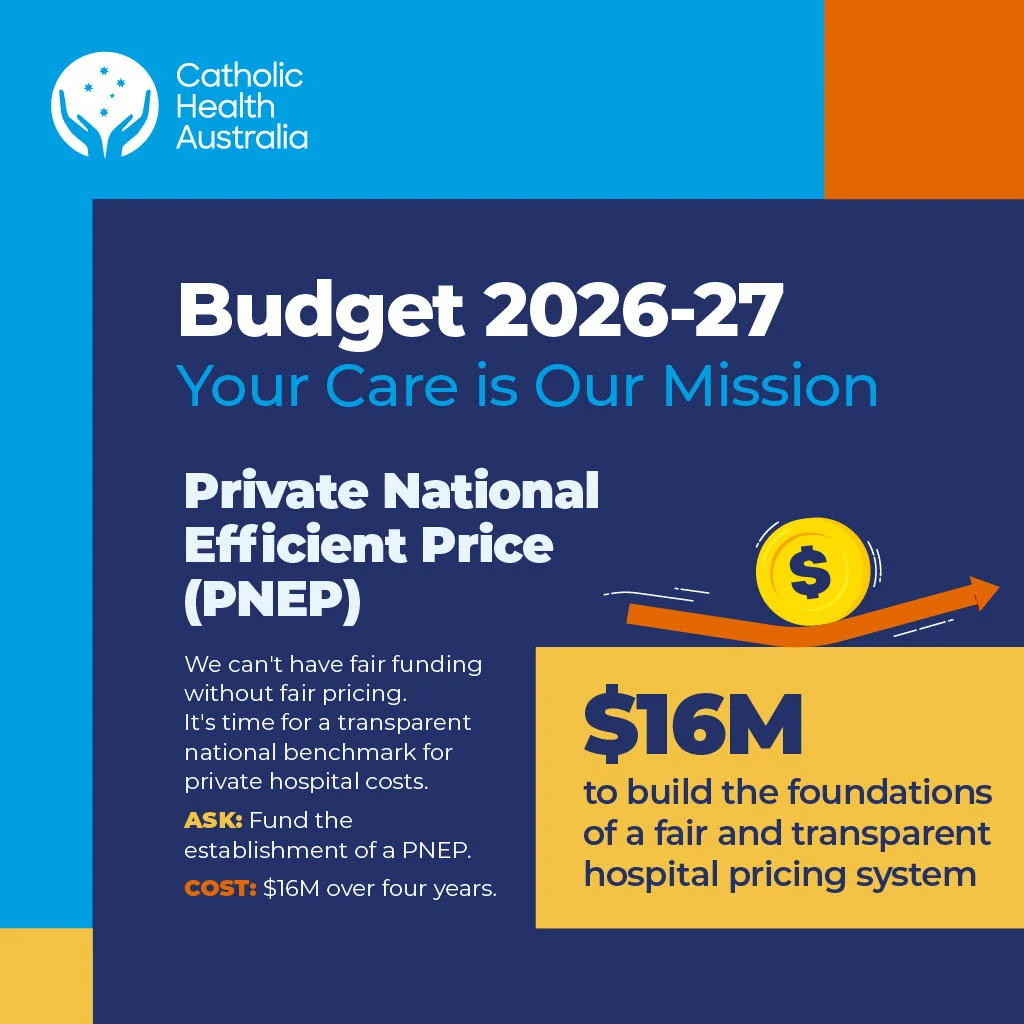
$745–940Mper yearFund the establishment of a Private National Efficient Price (PNEP) to deliver fair, transparent and sustainable funding for essential care.
$16Mover 4 yearsPublic Hospital Capacity
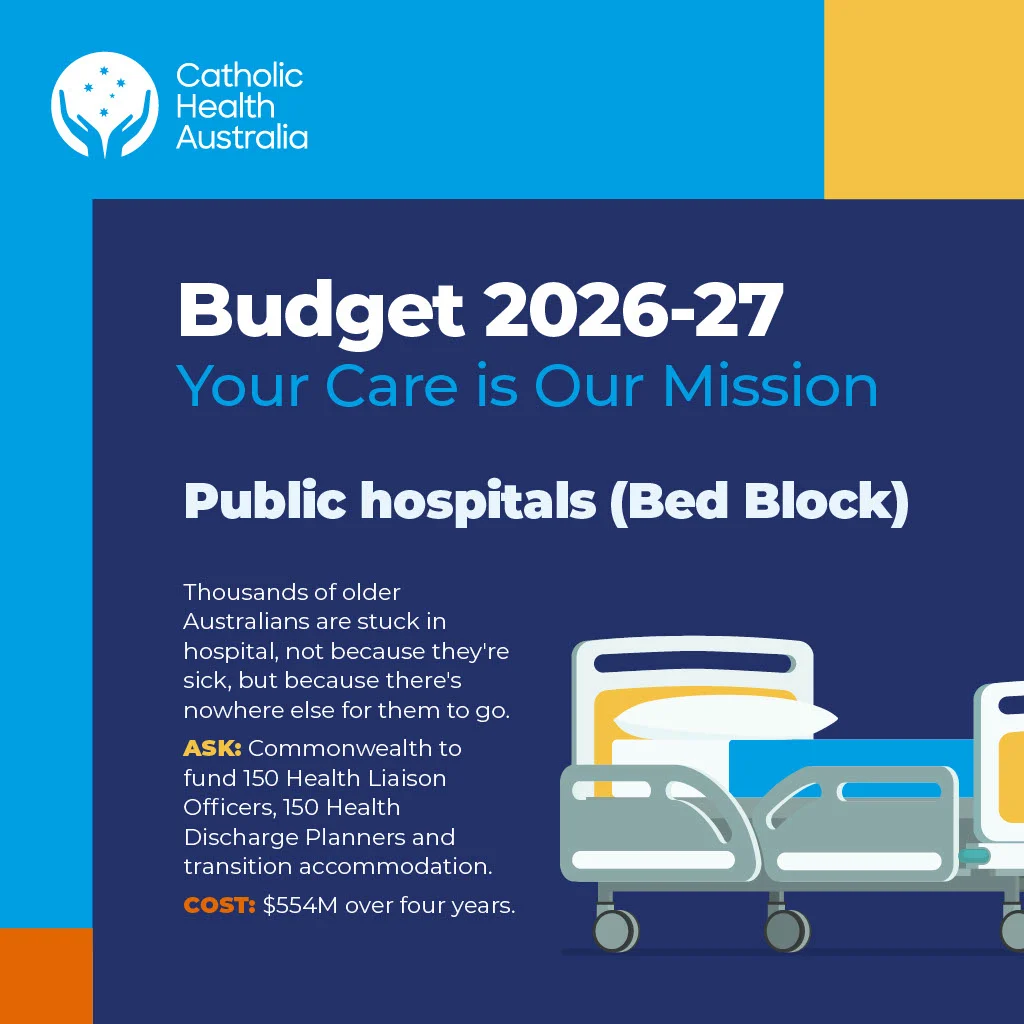
Address bed block by funding 150 Health Liaison Officers, 150 Health Discharge Planners and establishing transition accommodation capacity to clear the path between hospitals and home.
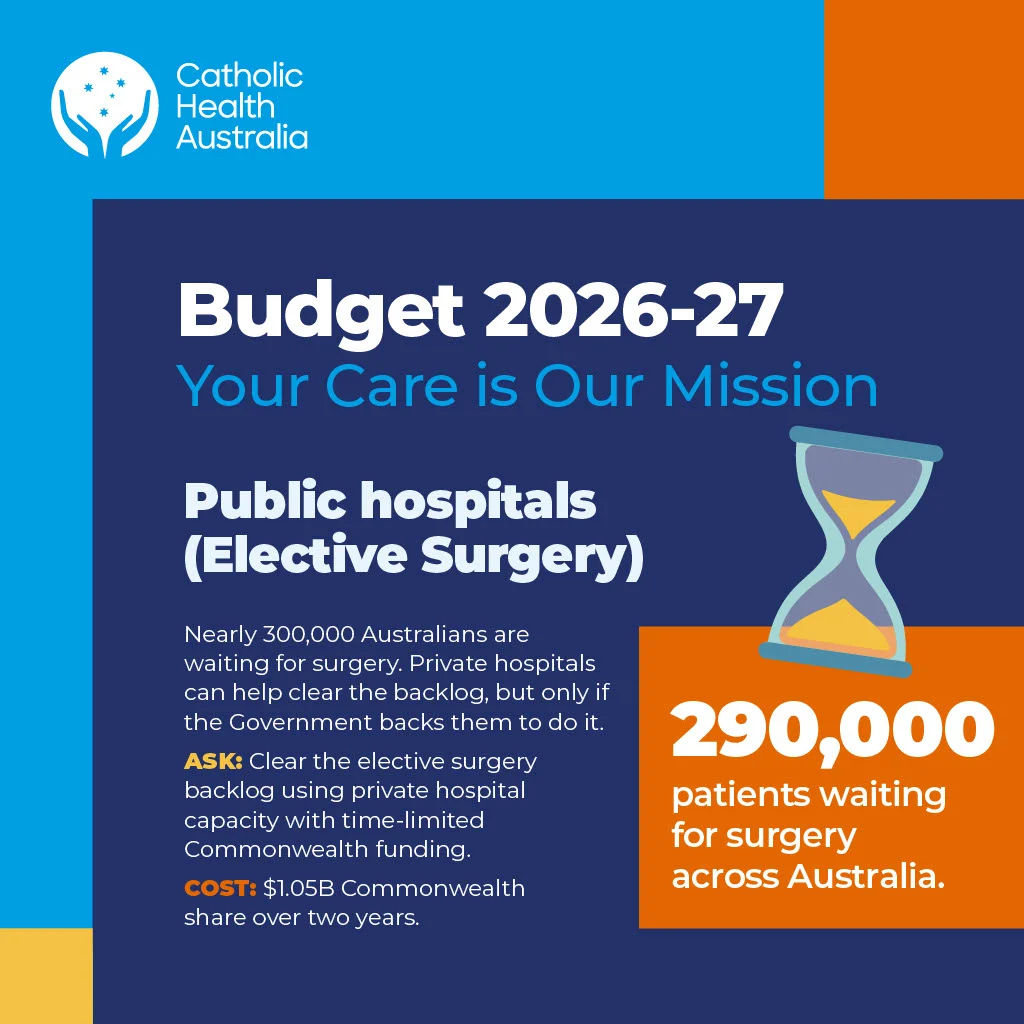
$554Mover 4 yearsClear the elective surgery backlog using private hospital capacity with time-limited Commonwealth funding to give patients faster access to the care they need.
$1.05Bover 2 years Health priorities total $4.7–5.5B over 4 years
Reducing waitlists, supporting older Australians at home, stabilising residential aged care and unlocking the workforce who deliver the care.
Support at Home
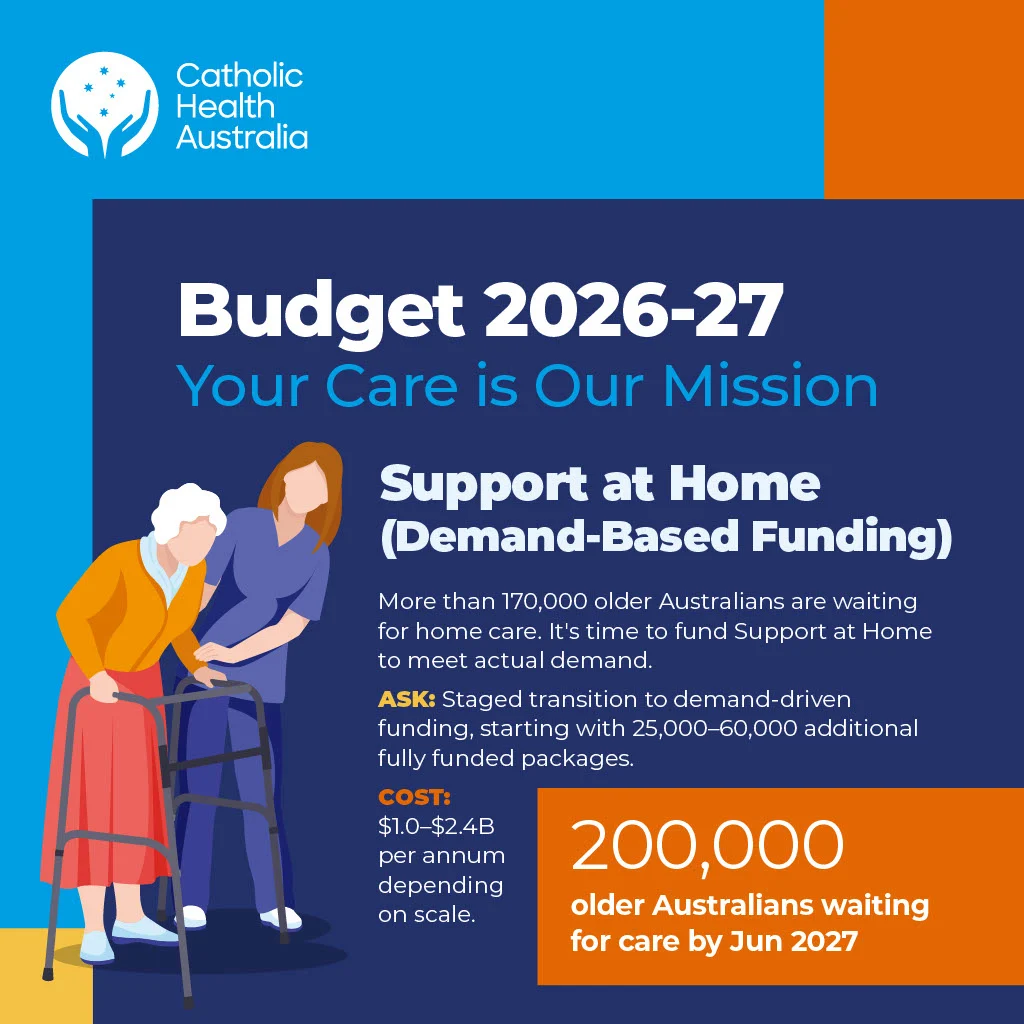
Begin a staged transition to demand-driven funding, starting with 25,000–60,000 additional fully funded Support at Home packages to reduce waitlists and unmet need.
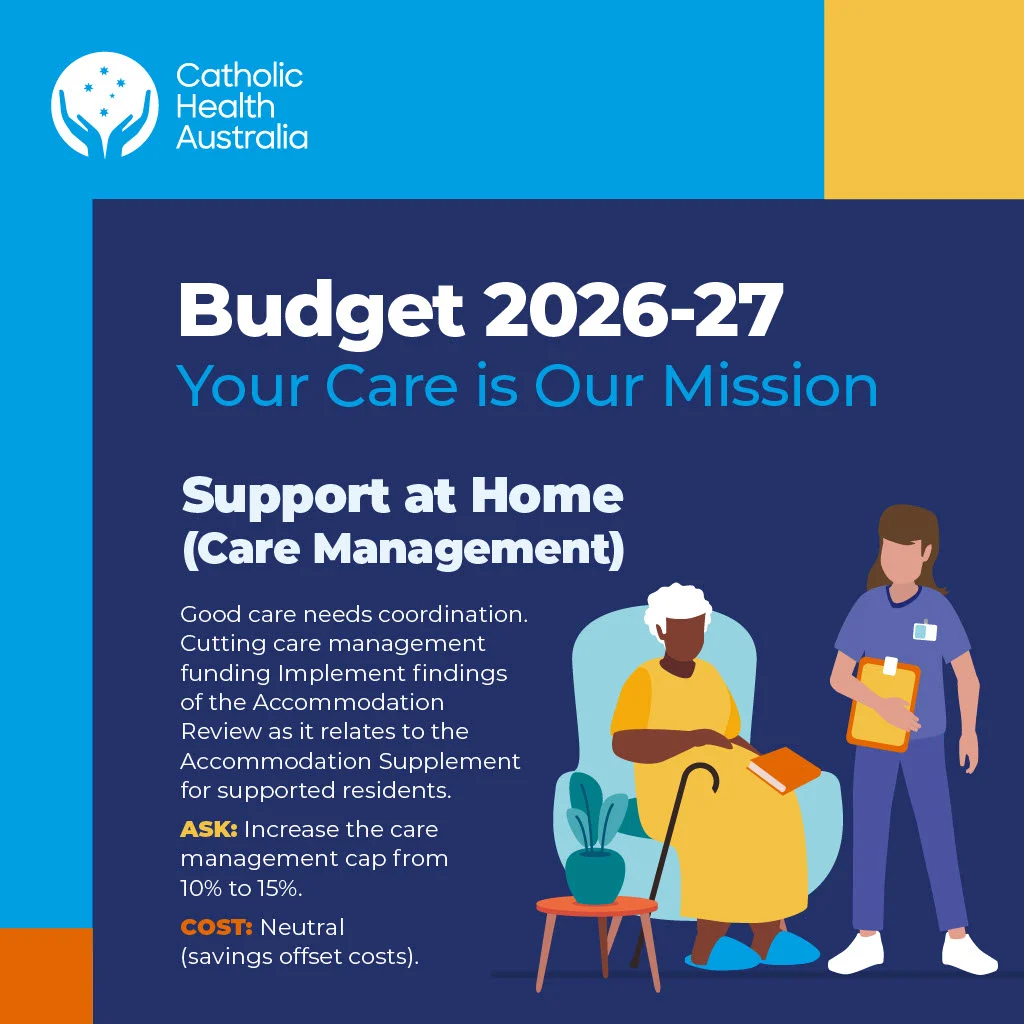
$1.0–$2.4Bper annumIncrease the care management cap under Support at Home from 10 per cent to 15 per cent, enabling effective delivery for higher-acuity participants and protecting service quality.
Neutralsavings offsetResidential Aged Care
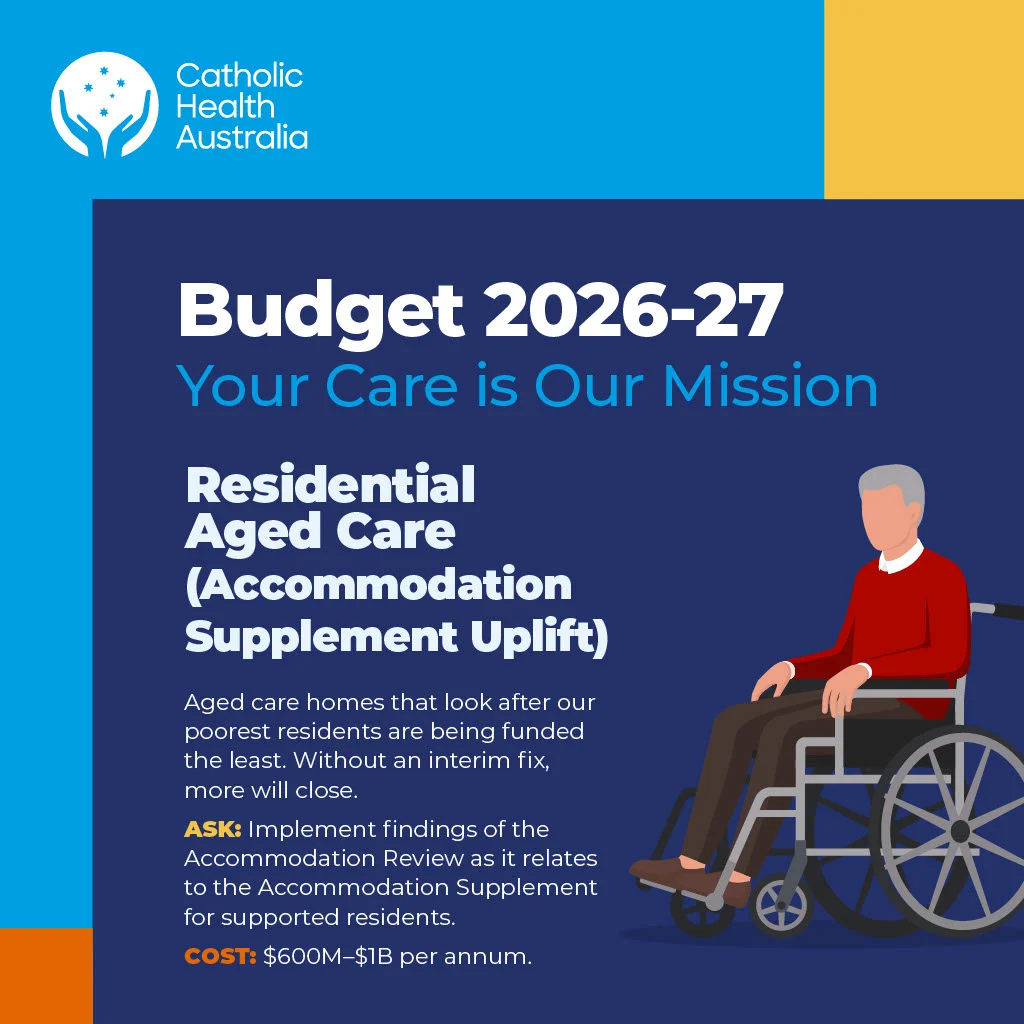
Implement findings of the Accommodation Review as it relates to the Accommodation Supplement for supported residents in high-risk services.
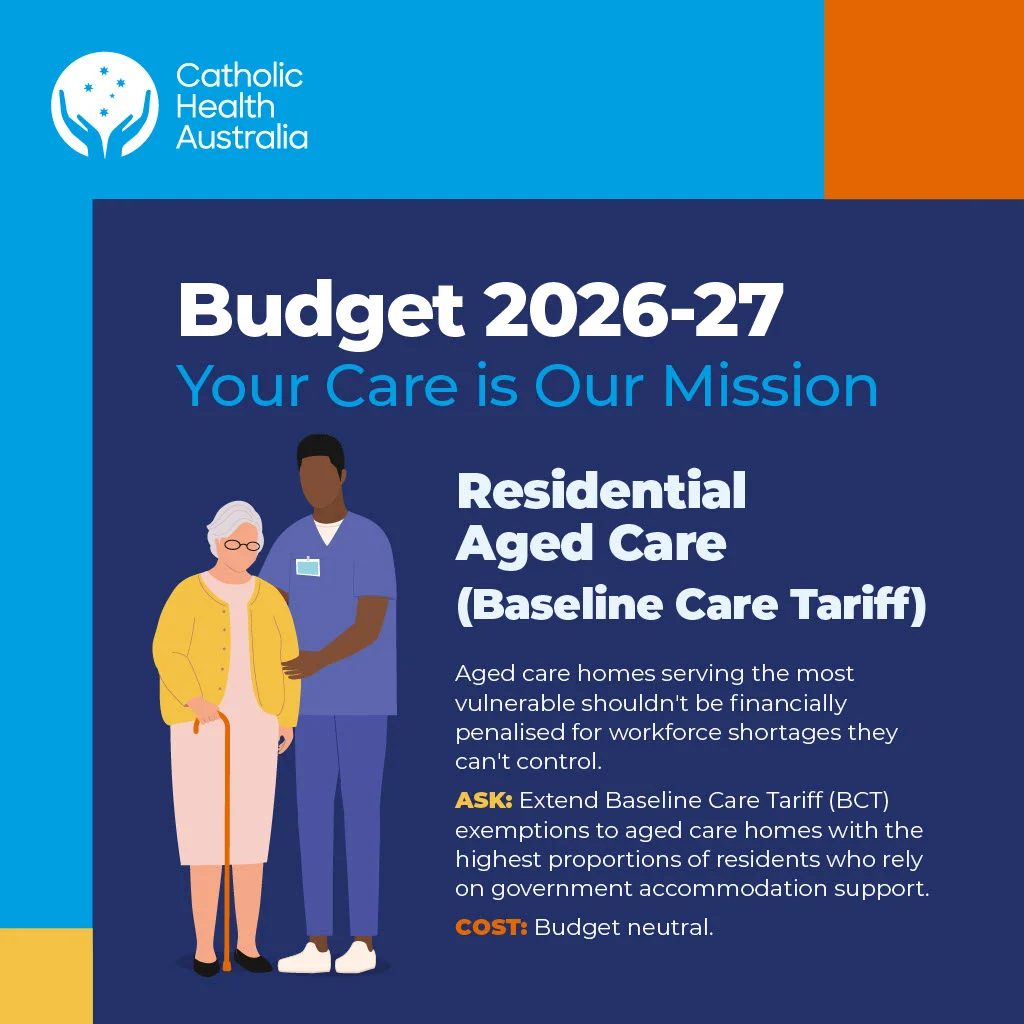
$600M–$1Bper annumExtend Baseline Care Tariff (BCT) exemptions to aged care homes with the highest proportions of residents who rely on government accommodation support.
Neutralno net costEstablish a national no-interest loan program to unlock stalled residential aged care developments, prioritising homes that house a high proportion of low-means residents.
Loan-basedscale dependentWorkforce & Housing
Implement the Accommodation Pricing Review's recommendation to expand ACCAP to include staff housing in regional and thin markets, supporting the workforce in places where care is hardest to deliver.
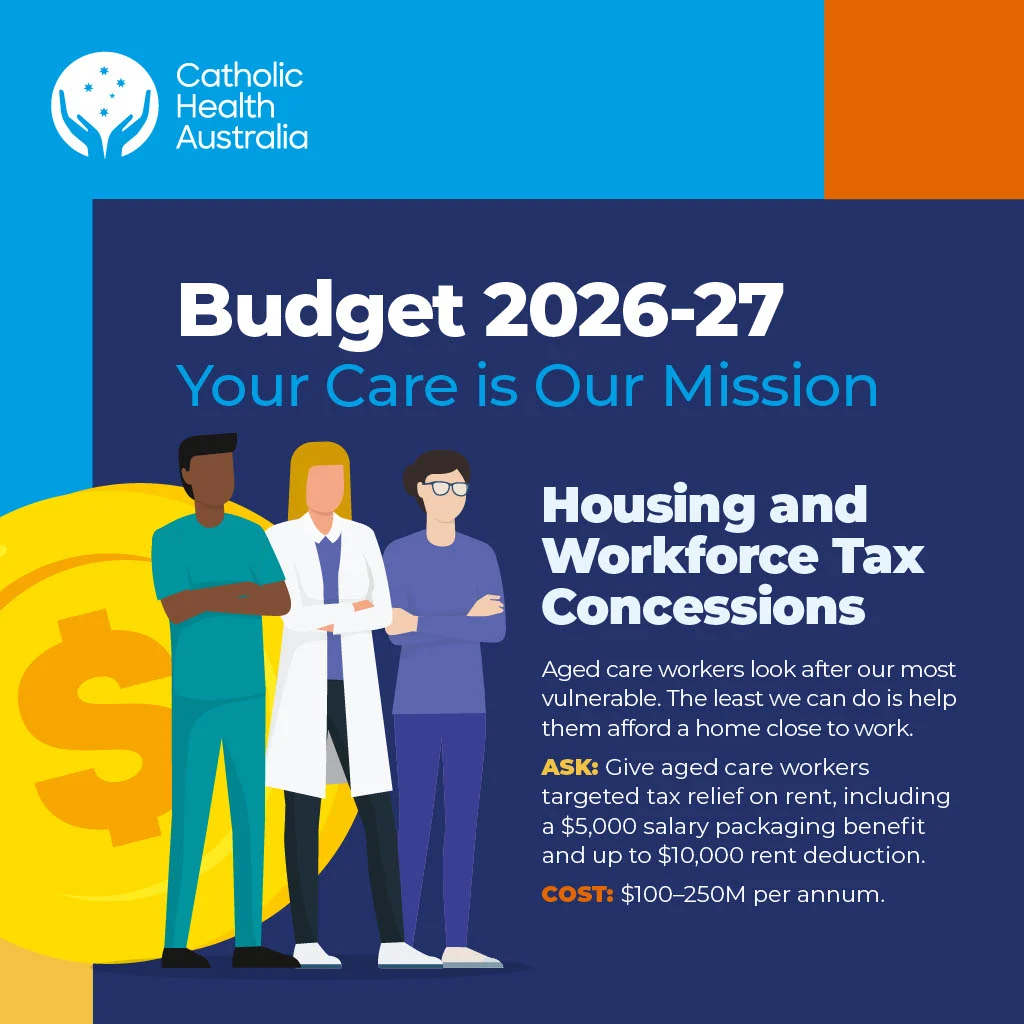
$600M+per year, 10 yearsProvide targeted tax relief on rent for aged care workers, including a $5,000 salary packaging benefit and up to $10,000 rent deduction.
$100–250Mper annum Aged Care priorities total $2.3–4.25B per annum + capital
Investments in prevention, end-of-life care and the systems that serve our most vulnerable communities, including the NDIS.
Prevention &
End-of-Life Care
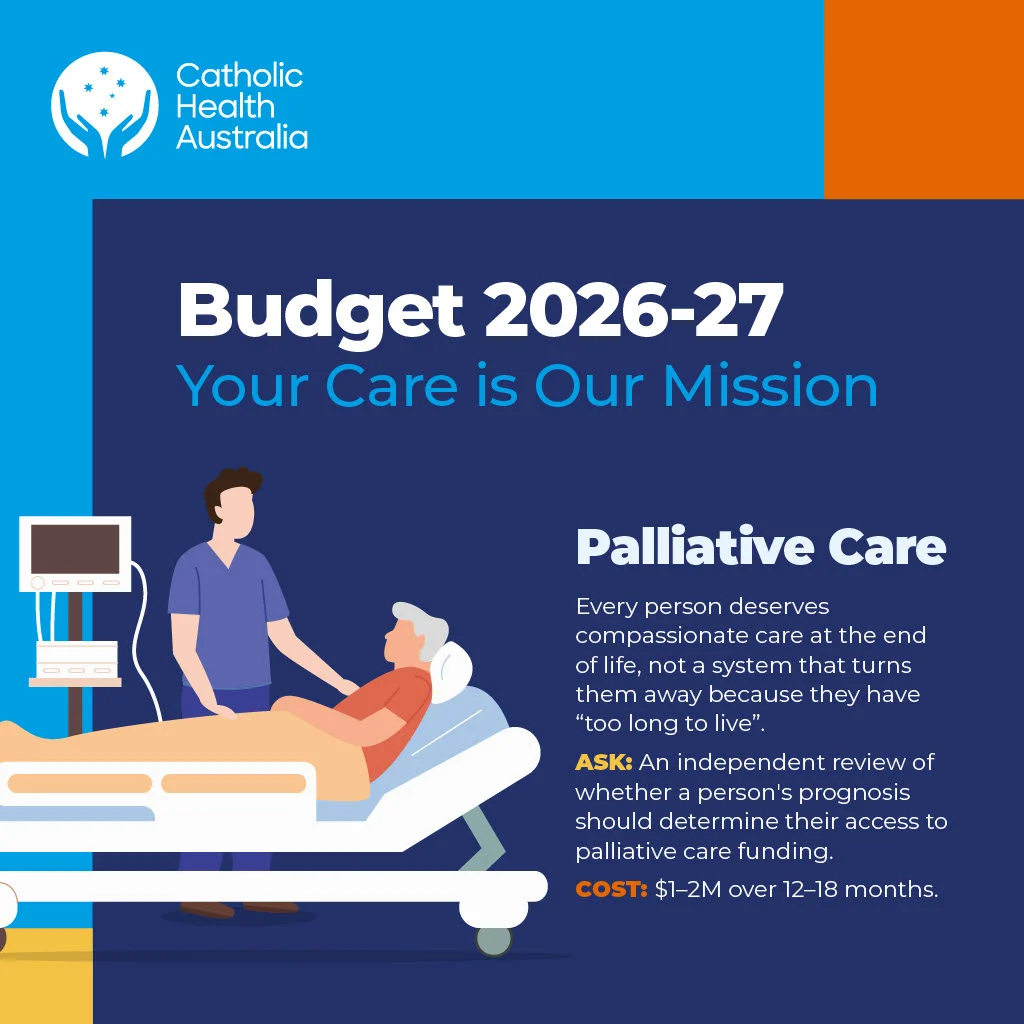
Commission an independent review of whether a person's prognosis should determine access to palliative care funding.
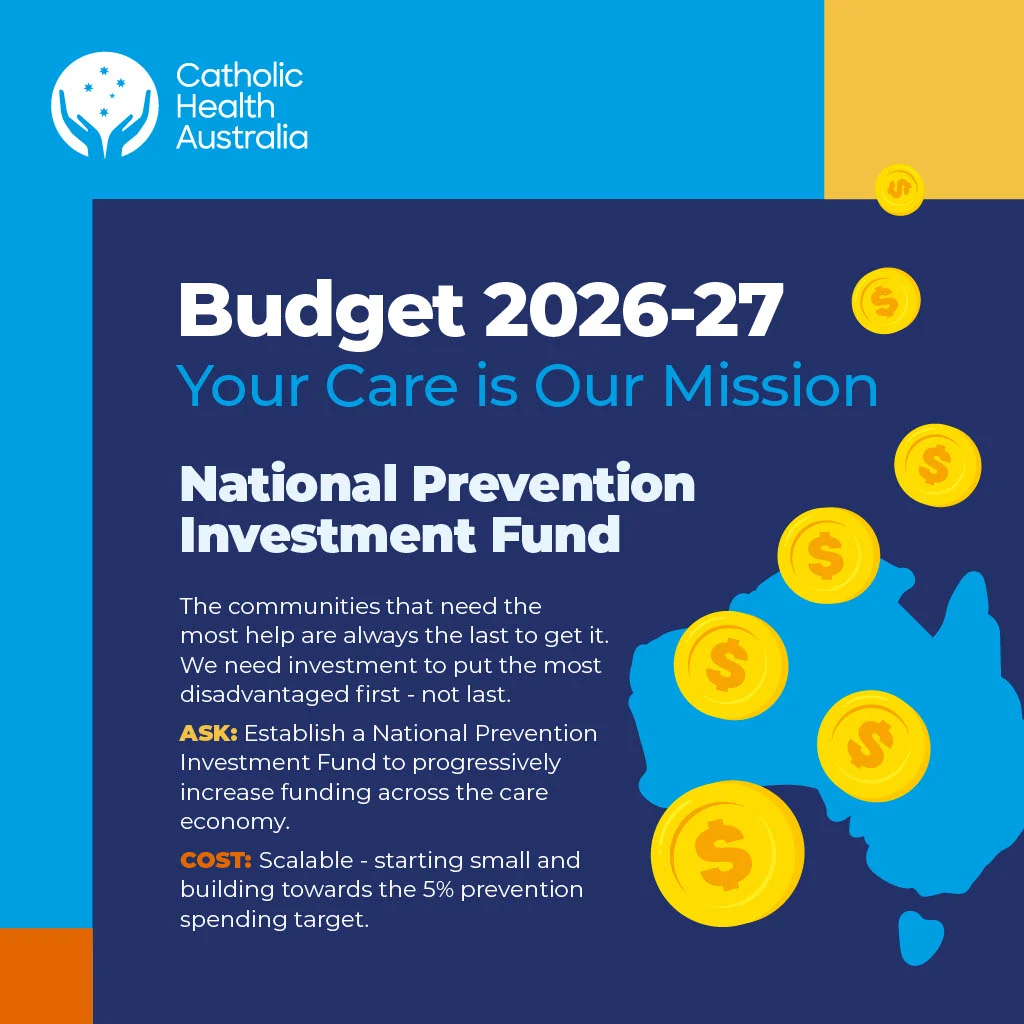
$1–2M12–18 monthsEstablish a National Prevention Investment Fund to progressively increase funding across the care economy, building toward the 5 per cent prevention spending target.
Scalablemulti-yearNDIS
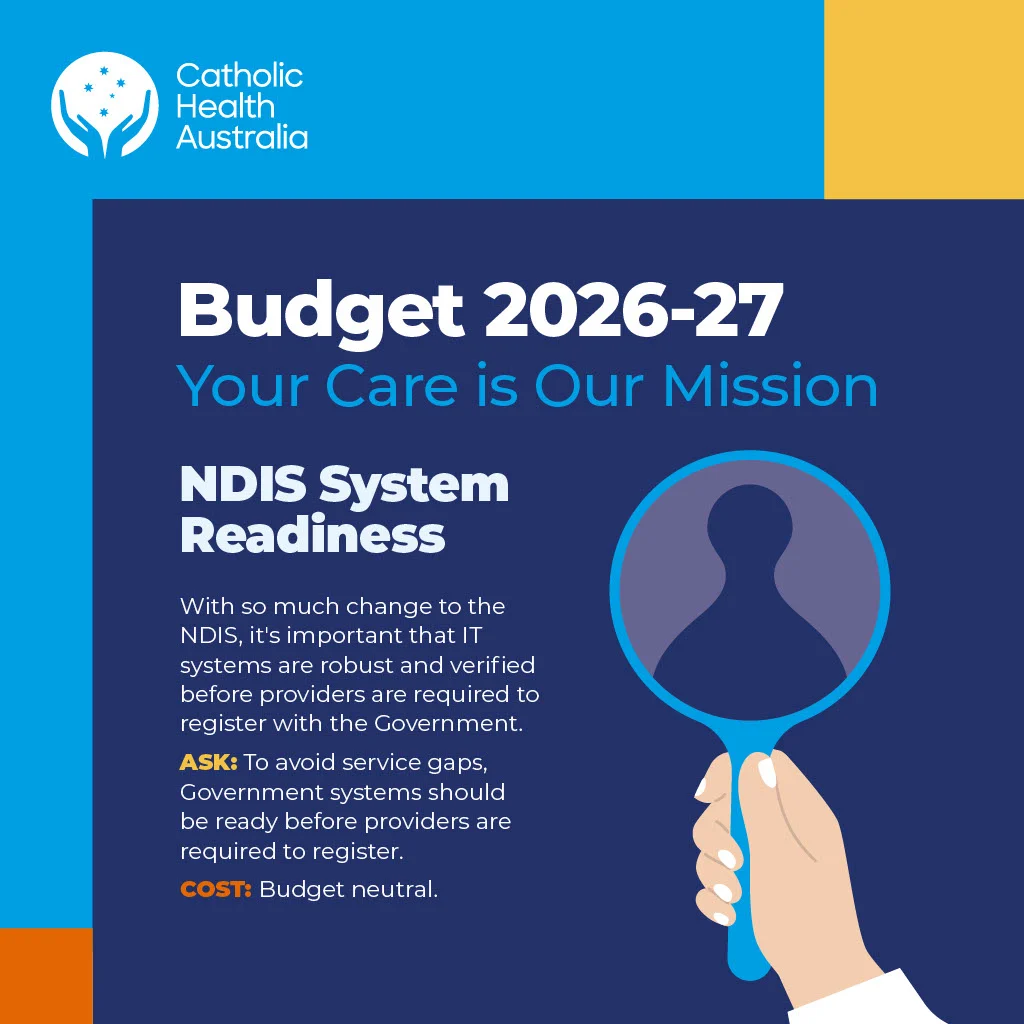
Ensure government systems are ready before providers are required to register, to avoid service gaps for participants relying on continuity of care.
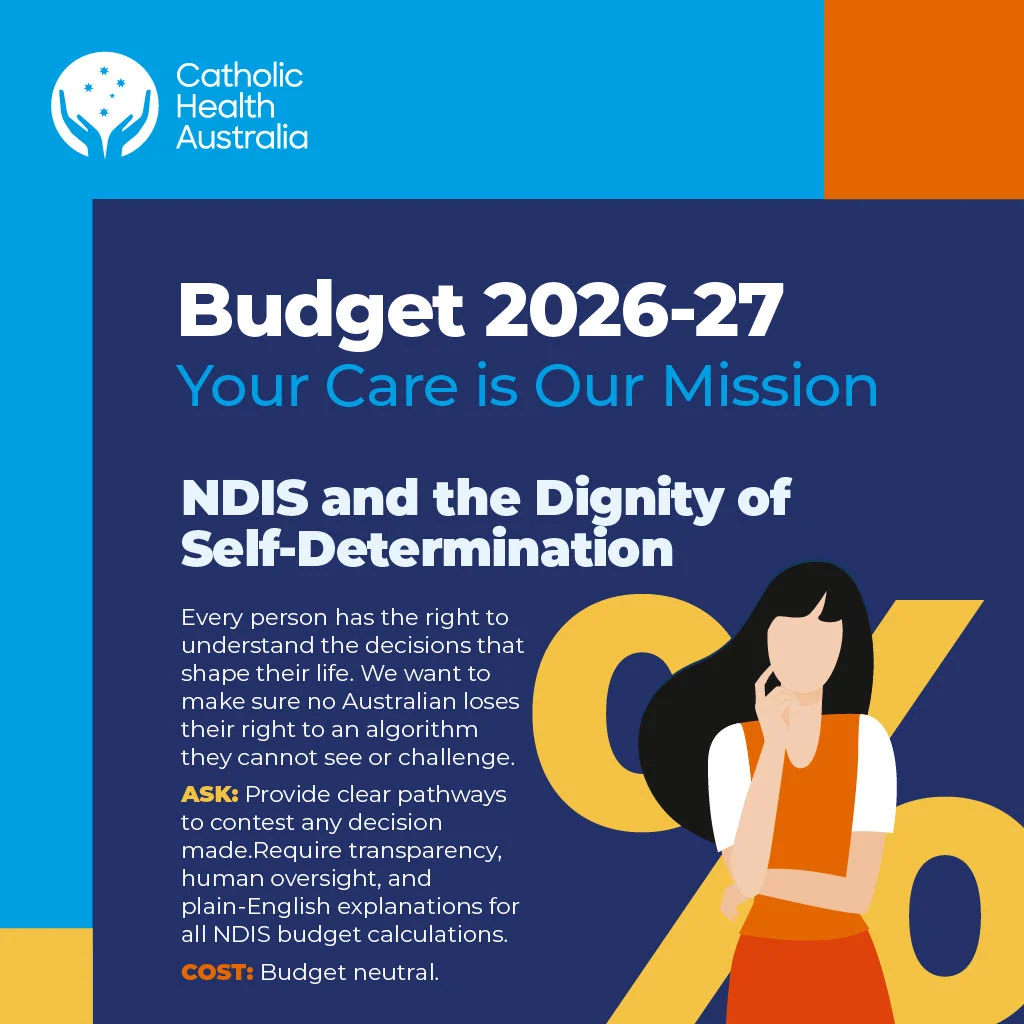
Neutralbudget neutralProvide clear pathways to contest decisions. Require transparency, human oversight and plain-English explanations for all NDIS budget calculations.
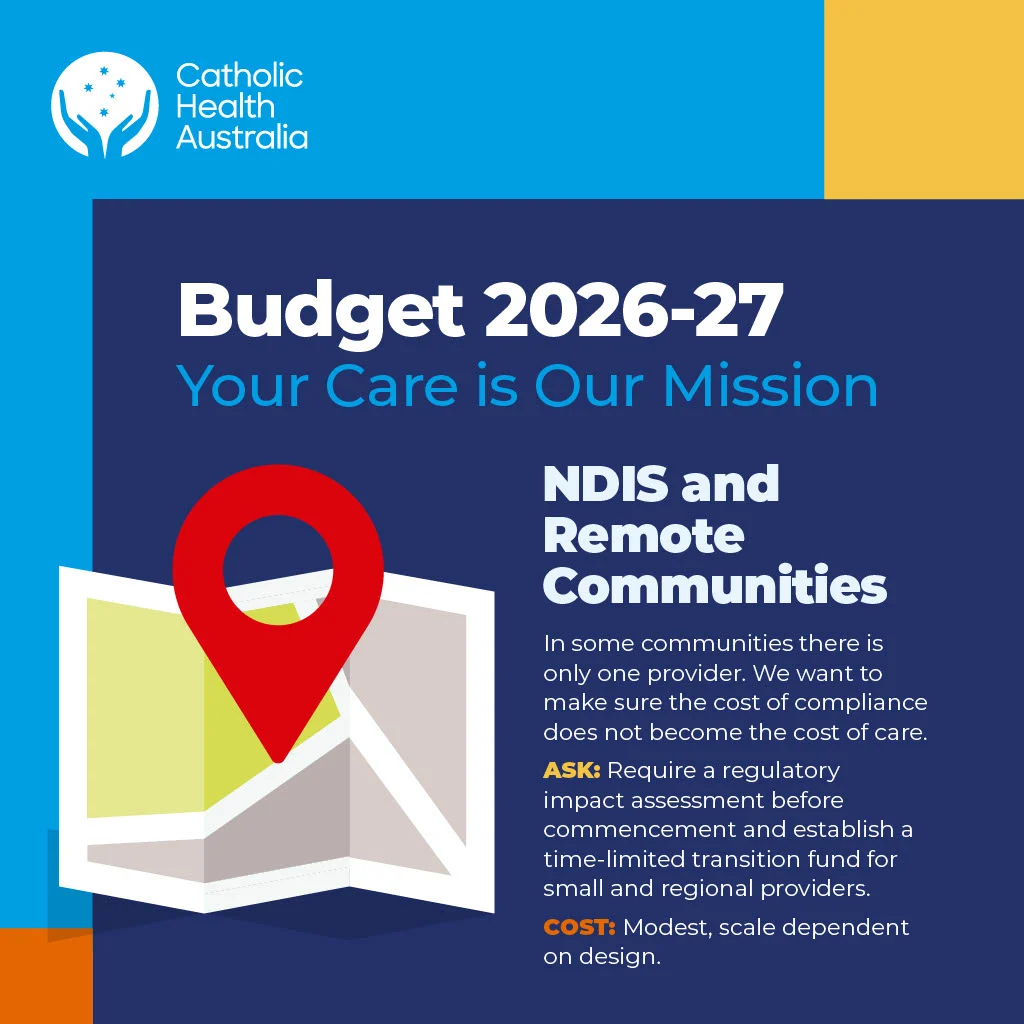
Neutralbudget neutralRequire a regulatory impact assessment before commencement and establish a time-limited transition fund for small and regional providers serving remote communities.
Modestscale dependent Mission priorities total Mostly neutral + scalable investment
The submission, in motion
The priorities, in focus
Short animations on the asks driving this submission. Watch each priority, then scroll the full set below.
Read the submission
Download PDF (3.4MB) Get the full detail
Download the complete budget submission, including detailed costings, evidence base, and implementation timelines for each priority.