Addressing a whole-of-system challenge: delayed discharge
August 17, 2026
CHSP extension a sensible outcome for older Australians and providers
August 20, 2026
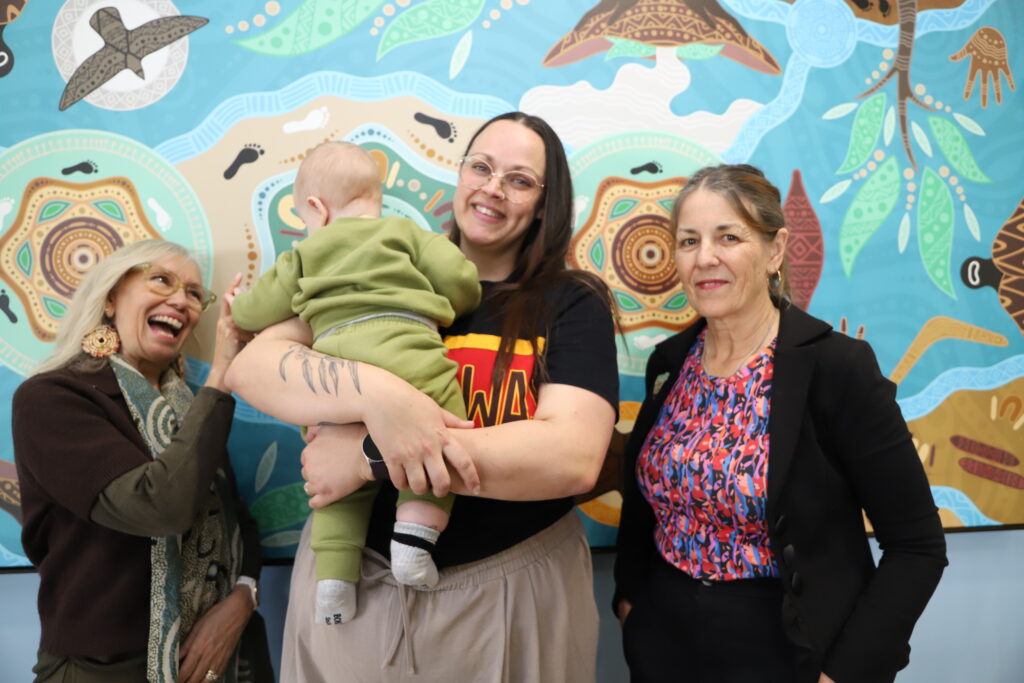
“If I could have 100 babies, I’d have them all at the Mercy and I’d have Meg and Ash every time!”
Those are the words of Sarah Bayliss, whose son Jiraiya was born through Mercy Hospital for Women’s Nangnak Baban Murrup Midwifery Group Practice. Sarah’s experience has brought a personal voice to recent media coverage of landmark research showing the difference culturally informed continuity of midwifery care can make for First Nations mothers and babies.
Nangnak Baban Murrup, meaning “Nurturing Mother’s Spirit”, has provided maternity care for First Nations families birthing at Mercy Hospital for Women since 2018. The all-risk model supports women through pregnancy, labour, birth and the early postnatal period with midwives they know, with care continuing in the community for up to two weeks.
The midwives work closely with Aboriginal Hospital Liaison Officers, obstetricians, social workers and the broader hospital team to provide safe, respectful and culturally responsive care. More than 700 Aboriginal and Torres Strait Islander women have received care through the Mercy Health program, with more than 110 women from across Victoria now accessing it each year.
The Mercy program was included in a major Melbourne-based study of the Baggarrook Yurrongi (“Women’s Journey”) model. Led by Professor Della Forster at La Trobe University’s Judith Lumley Centre in partnership with Mercy Hospital for Women, the Royal Women’s Hospital and Joan Kirner Women’s and Children’s at Sunshine Hospital, the research examined more than 164,000 births, making it one of the largest studies of its kind.
The research found culturally tailored midwifery continuity of care was associated with a 45 per cent increase in babies being born healthy. Babies were also 33 per cent less likely to have a low birthweight, 36 per cent less likely to be born early and 30 per cent less likely to require neonatal intensive care. In addition, Mothers were 86 per cent more likely to commence breastfeeding.
Lead researcher Professor Della Forster said the findings demonstrated the measurable impact of care built around the needs of First Nations families. The results also support progress towards Closing the Gap targets, including the shared goal of more Aboriginal and Torres Strait Islander babies being born healthy and strong.
Nangnak Baban Murrup continues to evolve in response to the voices of Aboriginal and Torres Strait Islander women. Its homebirth pathway now enables eligible women to give birth at home while remaining connected to the midwives they know and trust.
This commitment to listening, partnership and evidence reflects Mercy Health’s Catholic mission to uphold the dignity of every person and care for the whole person. By bringing cultural safety, clinical excellence and compassionate relationships together, Nangnak Baban Murrup is helping create stronger beginnings for mothers, babies and families.