CATHOLIC HEALTH AUSTRALIA’S YEAR IN REVIEW
October 10, 2022
CARERS WEEK SHOWS US THERE ARE MILLIONS OF REASONS TO CARE
October 17, 2022
Breast cancer is the most common cancer among Australian women.
But Australia has one of the best survival rates in the world, with 89 out of every 100 women diagnosed with invasive breast cancer now surviving five or more years beyond diagnosis.
Dr Rachel Dear is a medical oncologist and senior staff specialist at Sydney’s St Vincent’s Hospital.
She conducts clinics at the Kinghorn Cancer Centre, a world-class academic breast oncology service with expertise in breast cancer clinic trials and translational research.
October is Breast Cancer Awareness Month, and Dr Dear says the key messages are that early detection is vital, and that there are ways to minimise your risks in the first place.
“Breast Cancer Awareness month is very important, particularly after a two year COVID pandemic when a lot of women did not attend breast screenings,” Dr Dear says.
“We saw evidence of that as medical oncologists, where women presented late and it was too late, as the cancer had grown in the breast and lymph glands and spread to other parts of the body.
“So early detection is critical. It means we can potentially cure a breast cancer, rather than trying to prolong life and improve quality in the case of a metastatic breast cancer, which unfortunately is not curable.”
Dr Dear says breast cancer screening is recommended for all women aged 50-74, every two years.
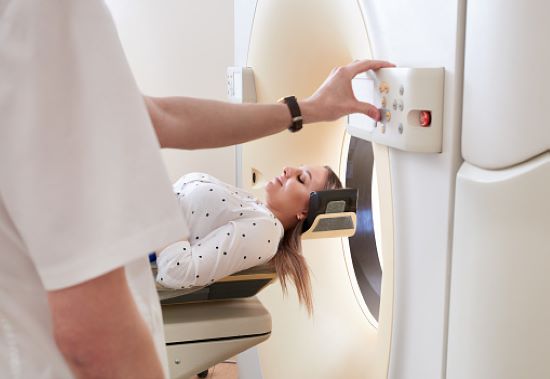
“Having a mammogram is really important as it will pick up those asymptomatic breast cancers, in otherwise well women without risk factors for cancer,” she says.
“And naturally, if you detect a lump yourself, you should attend a GP, and have that lump investigated with mammogram, ultrasound and perhaps a biopsy.”
Dr Dear says there are a number of factors that can be modified to reduce the risks of breast cancers, and like most other health messages, they include exercise, alcohol and diet.
“There are real key, modifiable risk factors that can reduce your risk of breast cancer as well as other cancers, and also cardiovascular disease and probably dementia as well,” she says.
“It’s always surprising to me how few women realise alcohol is a carcinogen, just like smoking.
“Alcohol is a risk factor for breast cancer and there is no safe amount, as it is for other cancers.
“A Mediterranean diet is also the best evidence-based diet – not fad keto, no sugar or low-sugar, just a general healthy, lean meat, lots of veggies and olive oil diet.
“And exercise – aerobic and resistance – is very important.
Breast Cancer Awareness Month highlights the need to support cancer sufferers, their carers and families, something Dr Dear says is essential.
“In curable settings, when patients are quite often being given strong chemo, they need support,” she says. “For example, getting to and from appointments, or they might need help with shopping, cooking, cleaning.
“And while they generally can do things for themselves, they need moral support to get through chemo, which sometimes I liken to a marathon as it can be pretty tough.
“Treatment can be particularly tough for pre-menopausal women, where chemotherapy and hormone treatments – which can block or reduce oestrogen levels – can put women into early menopause.”
Support is particularly valuable in cases where cancer is incurable.
“They are trying to look after family and have a job, while in the background they know their life expectancy is shortened, so having family and friends in background is important.
“I’d like people to spare a thought for the medical professionals too.
“We love our Jane McGrath nurses, but we also really value our medical oncologists, who work hard and who have a very difficult job. So, a big shout out to them.”