Extra funding for disadvantaged aged care residents is much needed
April 22, 2026
Catholic Healthcare to build connected coastal community for seniors
April 30, 2026
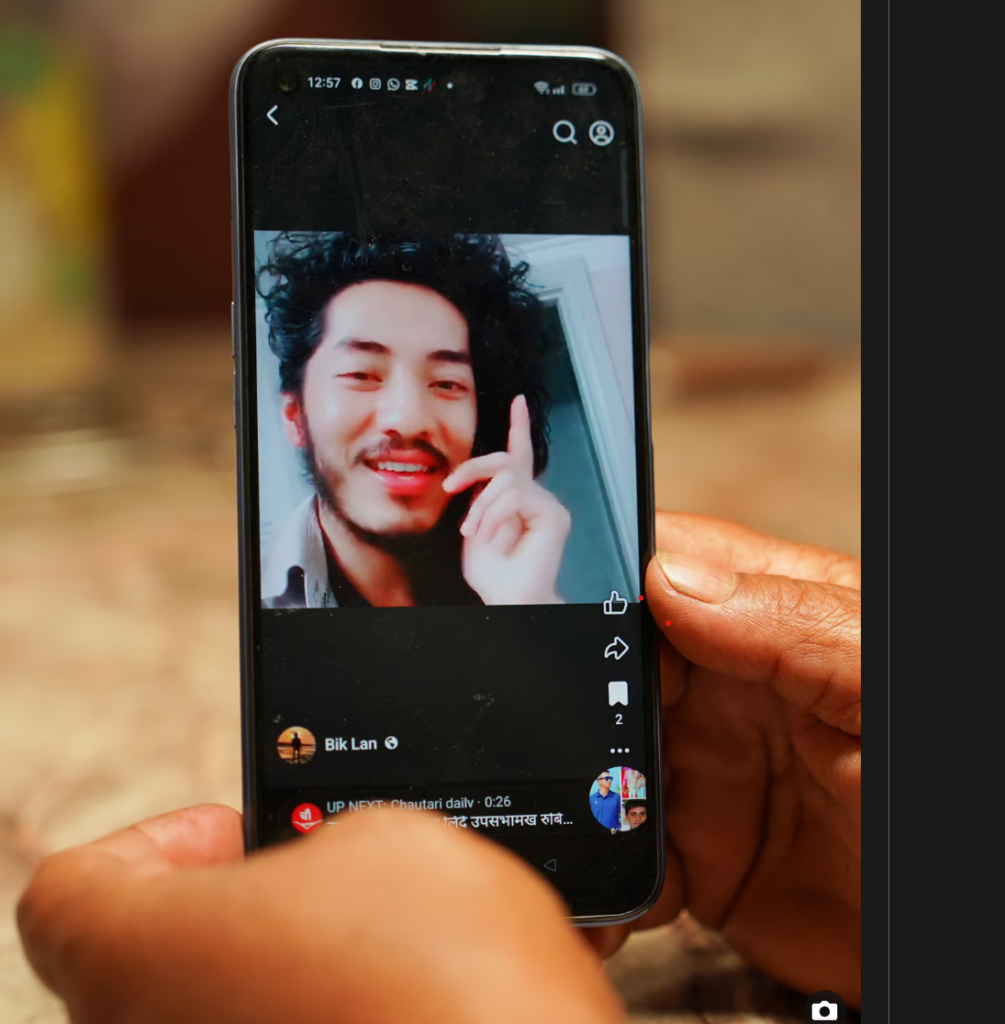
A growing group of homeless people is causing concern, highlighted by the tragic death of a Nepali man who had been sleeping rough on the streets of Sydney. The story of Bikram Lama is a sad and uncomfortable reminder of how vulnerable people can fall through the cracks, and how our policy response to people living rough without a visa, needs urgent attention.
The tragic story of Bikram Lama, a homeless Nepali man who died in Sydney’s Hyde Park last December, highlights a critical gap in Australia’s support for non-residents experiencing homelessness, and underscores the urgent need for policy reform.
Bikram’s badly decomposed body was found in a sleeping bag behind bushes near the St James pedestrian train tunnel. He was a 32-year-old man who came to Australia as an international student and became homeless. He had no friends and family in Australia.
Crucially, he was unable to access most government-funded supports because of his non-resident status.
St Vincent’s Hospital homeless health teams in Sydney and Melbourne have long been advocates for the rights and wellbeing of homeless people like Bikram.
Erin Longbottom, Nursing Unit Manager of the Homeless Health Unit at St Vincent’s Hospital Sydney, says her team encounters non-resident homeless people in desperate need of help on a daily basis.
“It’s not well-known, but there is a highly vulnerable sub-group within Sydney’s rough sleeper population who are unable to access most government-funded services,” she says.
“They include people in emergency accommodation and those experiencing domestic violence who often have no income support because of their visa status.
“Non-resident homeless people are largely made up of people who arrived in Australia as international students or asylum seekers but who, for a range of reasons including financial hardship or health issues, are unable to support themselves and become homeless.”
They are almost entirely reliant on charities and philanthropy for life’s essentials.
Some estimates suggest that non-residents make up 20 per cent of inner Sydney’s total rough-sleeping population.
Alongside other organisations, St Vincent’s has been strongly advocating that non-residents be allowed to access government-funded emergency services.
The vulnerable and invisible
Sr Clare Nolan, a Sister of Charity, who sits on the board of Catholic Health Australia, was deeply moved by Bikram’s death.
“This is what falling through the cracks looks like,” Sr Clare told Health Matters.
“It’s a reminder of the tragic consequences of a system that is failing some of the most vulnerable and invisible members of our society.”
Sr Clare says the need to help people like Bikram reminds her of the mission of Mother Mary Aikenhead, who established the first Catholic hospital in Europe and under whose ministry St Vincent’s operates today.
“As cholera broke out in Dublin and Cork, people were too frightened to be cared for in the government-run hospital. Mary sent Sisters to visit and care for them, and people started to heal.
“She asked Rome that we be allowed to be ‘contemplatives in action’ which meant being the first order not to be enclosed. Rome heard about it and gave permission for the Sisters to be “The Walking Nuns”.
“Today, CHA continues the call of Pope Leo through its members to continue to identify and care for people like Bikram.”
Bikram’s tragic death reflects the extreme vulnerability of non-resident homeless people.
“If Bikram had a pathway out of homelessness he might still be alive,” said Erin.
Catholic Health Australia and its members like St Vincent’s, will continue to advocate for policy changes to ensure that no one is left without care, guided by our mission to support those living on the margins of society.