
The ELDAC Allied Health Toolkit
May 23, 2024
Patients big winners in Minister’s call on surgeries
May 23, 2024

“You shouldn’t just wait to die – you have to keep living.”
Palliative care has long been associated with rest and reflection, of coming to terms with your fate and making peace with your life.
However, a recent trip to Singapore has Victorian CEO Sonya Smart re-thinking the traditional delivery of palliative care within her organisation, and beyond.
This week is Palliative Care Week, aimed to open up conversations around the end-of-life and what more can be done to support people on the journey.
Ms Smart, who leads for-purpose aged and disability organisation VMCH, returned from Singapore in April following an exploratory visit to a number of palliative services.
VMCH offers palliative care to aged care residents at the end-of-life stage, and through its specialised palliative comfort care centre, O’Neill House, in Prahran. And while tranquillity and peace are the hallmarks of O’Neill, Ms Smart says her visit inspired her to consider a new type of offering.
Organised by VMCH Board Director and Palliative Care Consultant Dr Natasha Michael, the trip was part of the organisation’s commitment to prioritise best practice and innovation in the palliative space.
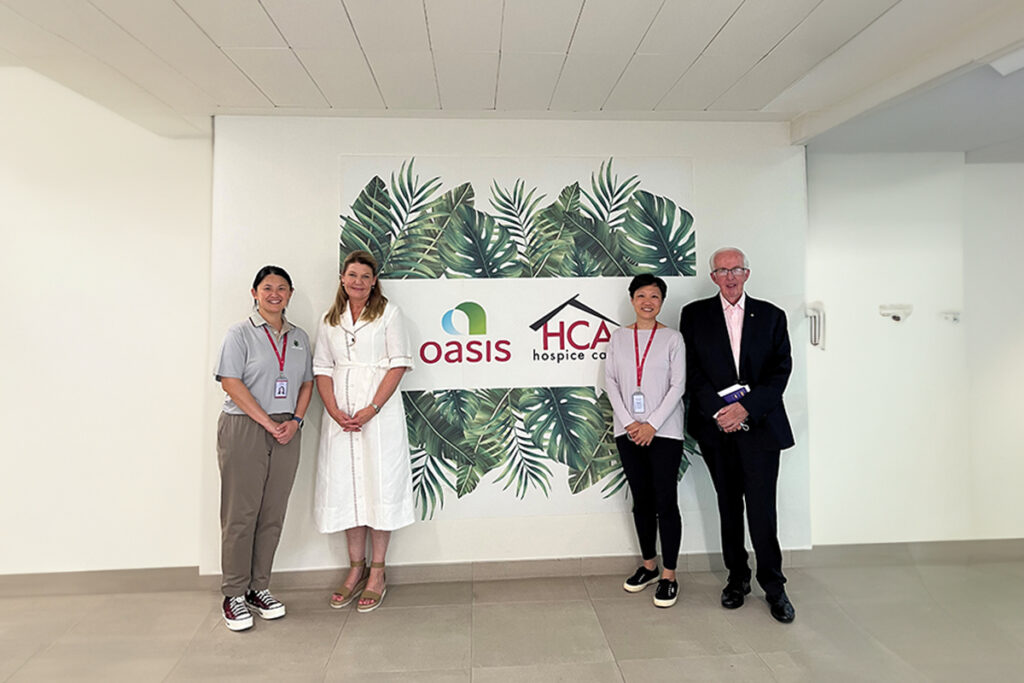
Ms Smart says Oasis@Outram, a day hospice run by the country’s largest home hospice care provider HCA Hospice Care, was a standout.
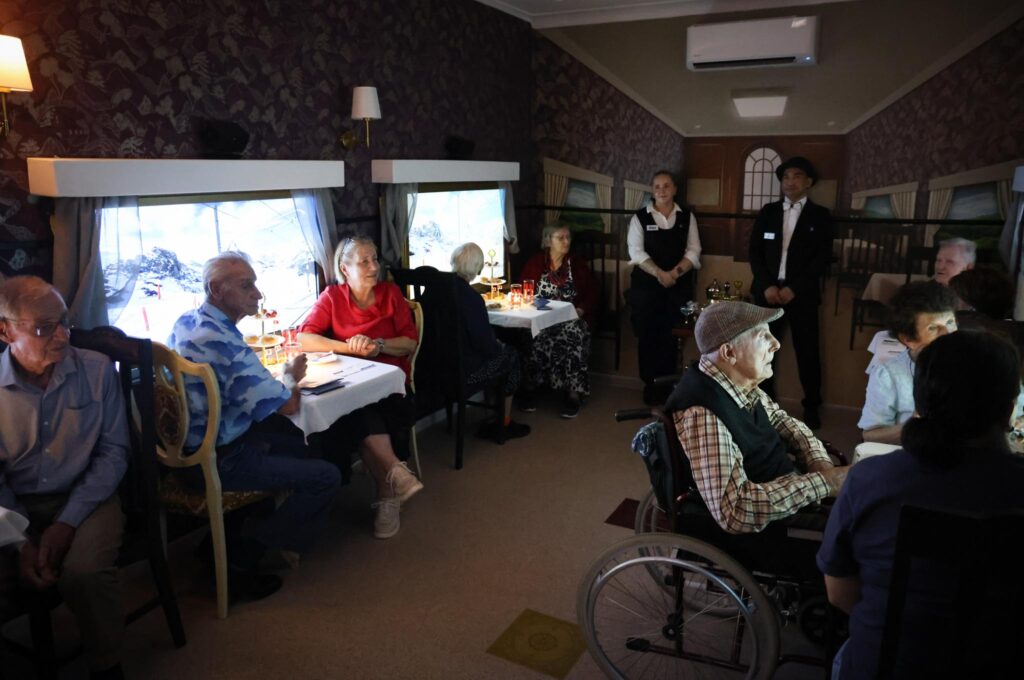
The inter-generational Oasis hospice sees people enjoy a huge variety of activities like music therapy, art and craft, pet-assisted therapy, exercise classes and community outings. There is an in-house open bar, green house, cinema, and a dental clinic, with oral health one of palliative care’s most overlooked clinical needs. There is also Instagram walls for pictures to form photo book for families.
Attendance, including transport, meals and activities, is free of charge.
“It was an eye-opening experience,” Ms Smart says. “Oasis is about ensuring that you keep having memorable moments and that you’re not isolated at home. People are empowered to grow and develop new skills, experience new things.”
Ms Smart says the hospice’s focus on living differs to how Australians largely think about dying.
“We know around one in four Victorians who die each year do so without adequate access to palliative care. We also know there are thousands of people isolated at home receiving palliative care, or in hospital in a really medicalised way. Palliative care is sort of hidden away because no-one wants to talk about dying.”
The Federal Government last week announced a $25m investment into the continuation of the Comprehensive Palliative Care in Aged Care (CPiAC), to help improve palliative and end-of-life care for older people living in residential aged care.
While welcome, Ms Smart believes funding injections to create more community-based hospices, such as Outram, could help revolutionise the way palliative care is delivered.
“It is expensive to run palliative care in Australia. O’Neill House, for example, is largely a fee for service-based model primarily through aged care funds. But it’s certainly not an attractive service for organisations that need to make it financially sustainable. VMCH contributes funds each year to keep this unique service available to older Victorians. We’d love to see more facilities like this created, to give greater choice and ensure people’s last experiences are filled with joy and shared special moments with family and friends.”
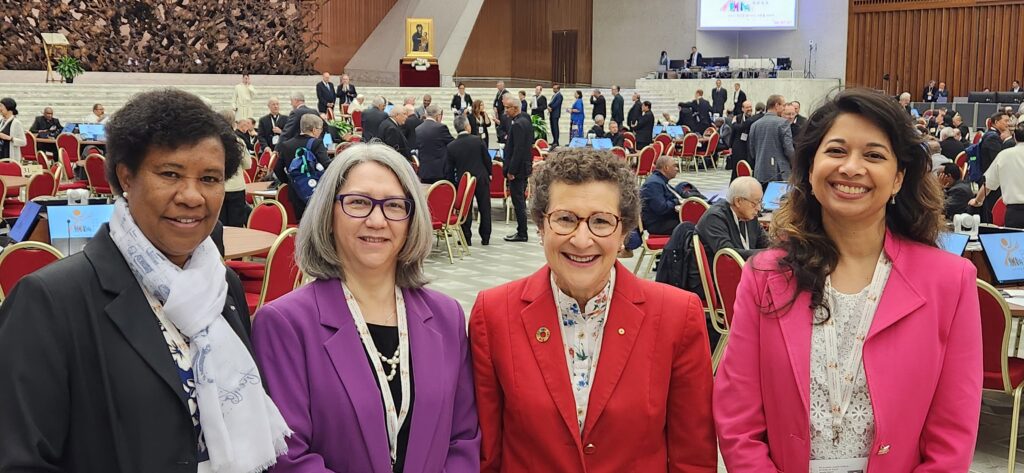
Pictured above: Villa Maria Catholic Homes’ CEO Sonya Smart and Board Chairman Julien O’Connell AO in Singapore recently
(Source: VMCH)