
Update on progress of assisted dying bill in NSW
April 1, 2022
AUSTRALIAN CATHOLICS SHOULD TAKE HEED OF POPE FRANCIS MESSAGE ON HEALTHCARE
April 7, 2022
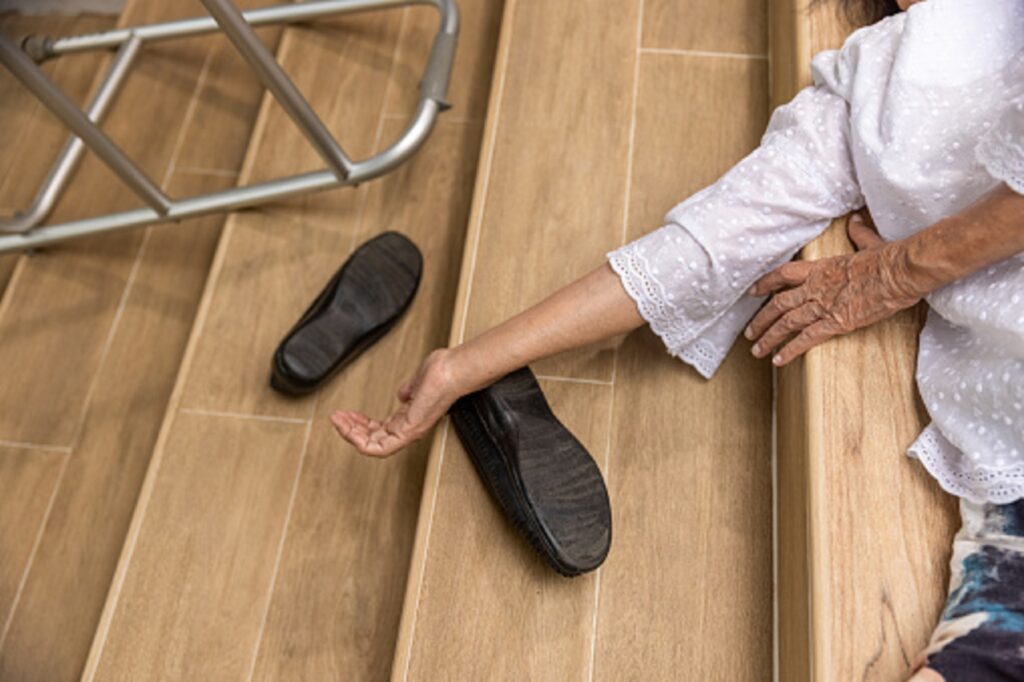
We all love a slapstick moment, when the comic actor slips and falls, or the overpaid sports star tumbles into a heap.
But in the real world a fall can be a debilitating, life-threatening accident that is no laughing matter.
In Australia 37% of injury-related deaths are caused by falls, and 30% of those aged over 65 fall each year.
April Falls Month is an annual campaign to raise awareness about the impact of falls and to promote the latest best practice fall-prevention strategies.
With statistics showing a 23% reduction in falls with regular exercise, this year’s goal is to get everyone active, and in the process improve their balance.
This is reflected in this year’s theme – Better Balance for Fall Prevention campaign – which aims to help older Australians find appropriate exercise programs to meet their needs and interests.
For example, for optimal physical and mental health, all adults (regardless of age, health, or ability) should do 30-60 minutes of physical activity most days.
Elizabeth Roberts, Co-Lead of the St Vincent’s Health Network Sydney Falls Community of Practice, says the hospital and its network are involved in the fall-prevention campaign every year.
But while encouraging this year’s April Falls Month get-active campaign, they have a two-pronged approach, the second working to improve engagement with patients and carers in the hospital’s network.
“It’s all about improving the conversation with patients and carers around their falls risk and their prevention plans,” Ms Roberts says.
“You can give someone a brochure, but it’s the conversation that comes with it that makes a difference, improving the discussion and engaging them in the strategies we put in place to prevent falls.”
Ms Roberts says everyone can be at risk of a fall, and that it’s not necessarily about age, especially when in hospital.
“It’s whether they’ve had a fall in the past outside of hospital, whether they have mobility impairment, any alteration to their mental status, alteration to toileting, vision impairment, or medications.
“They are all key factors that can put them at risk.”
Ms Roberts says the focus is on helping deal with falls risks from an inpatient perspective, and involves a number of patient-specific strategies.
“For example, it’s about making sure they don’t get up and go to the bathroom without calling for help, to ensure we can supervise and assist them – which is one of the most common times a person falls while in hospital.
“It’s about things like making sure they know the medications they are on might mean that when they stand their blood pressure may drop causing them to lose their balance and fall, so we need to educate them so they need to take their time when they get up.”
For those going home, Ms Roberts says the hospital’s community and outpatient teams can step in to provide fall-prevention strategies.
“This could include a home assessment to assess needs such as rails in the bathroom, or the need for a shower chair, or for physiotherapy to help build their strength and balance.”
As part of April Falls Month St Vincent’s is running a virtual open forum for all staff across the hospital network, which Ms Roberts says anyone is welcome to join.
The forum will include a consumer who will speak about their experiences when their relative had a fall with harm in hospital, and what the journey was like for them.