
CHA WELCOMES NEW HEALTH AND AGED CARE MINISTERS
May 31, 2022
CATHOLIC HEALTH AUSTRALIA WELCOMES PALLIATIVE CARE FUNDING BOOST
June 9, 2022
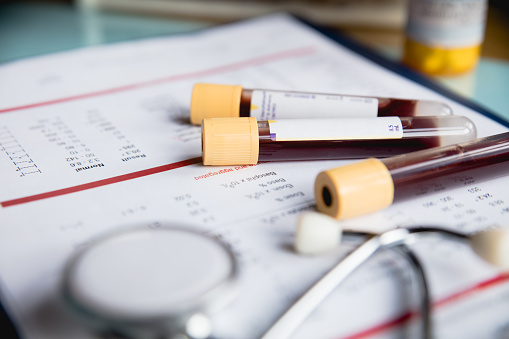
One in three of us will need blood at some time in our lives, and according to Lifeblood (formerly the Australian Red Cross) a new donor is needed every 24 seconds in Australia.
But too few of us – just 3% or 4% of the population – are willing to take the time to put out our arms, roll up our sleeves and donate.
Daniel Behan is the Clinical Nurse Consultant for Patient Blood Management at Sydney’s St Vincent’s Hospital.
“It has the potential to be life saving. Without it some people may die,” he says.
“When patients experience trauma, there is lost blood. Major surgery, such as cardiac surgery, would be hard or impossible without blood.”
This month marks National Blood Donor Week (13-19 June), a time when medical professionals celebrate Australia’s donors and appeal for more to join in the effort.
Mr Behan says volunteers can choose to give whole blood, platelets and plasma, all of which have multiple uses.
Lifeblood says whole blood takes just 10 minutes to donate, with the full appointment taking less than an hour.
Plasma – which makes up more than half the liquid in your blood – takes up to 45 minutes to collect in a 90 minute appointment, but can help in multiple ways, from treating serious burns to cancer.
And platelets, tiny “plates” in your blood, clump together to stop bleeding, seal wounds and help plug leaks in damaged blood vessels. Lifeblood says they take 60 minutes to donate during a two-hour appointment.
Mr Behan says all these products are essential, especially plasma and platelets.
“A big group of cancer patients such as haematology and oncology patients need red cells and platelets. Without that support their chemotherapy regime wouldn’t be able to be offered.
“Plasma is often used on patients with immune problems. People who are not producing enough immunoglobulin receive monthly infusions.
“Plasma also contains coagulation factor concentrates used for haemophilia, which patients desperately need.”
Mr Behan says St Vincent’s, which is a major full-service, acute-care public teaching hospital, uses about 6000 units of red cells a year (unit varies 280-350ml).
But demand always threatens to outstrip supply, especially with COVID, and the situation is worse now than in the pandemic’s early stages.
“In the past two years COVID has had a severely negative impact on donors and even on the staff who collect blood, due to them having contracted the disease or being close contacts,” he says.
“We get daily updates from Lifeblood on availability and restrictions, particularly on red cells and platelets, and this year they have been running very low.”
Mr Behan says booking a blood donation is easy and can be done online through Lifeblood, which has collection sites around Australia.
Most people will find they are eligible to donate, and even some exclusions that had ruled potential donors out are now being wound back.
So go online, and get ready to roll up a sleeve to save a life, at lifeblood.com.au/blood
Or call 13 14 95 to book your donation.