The Prescribed List is buckling under the weight of its own reform
April 14, 2025New financial and prudential standards must strike the right balance
April 14, 2025
By Brigid Meney
Catholic Health Australia Director of Mission
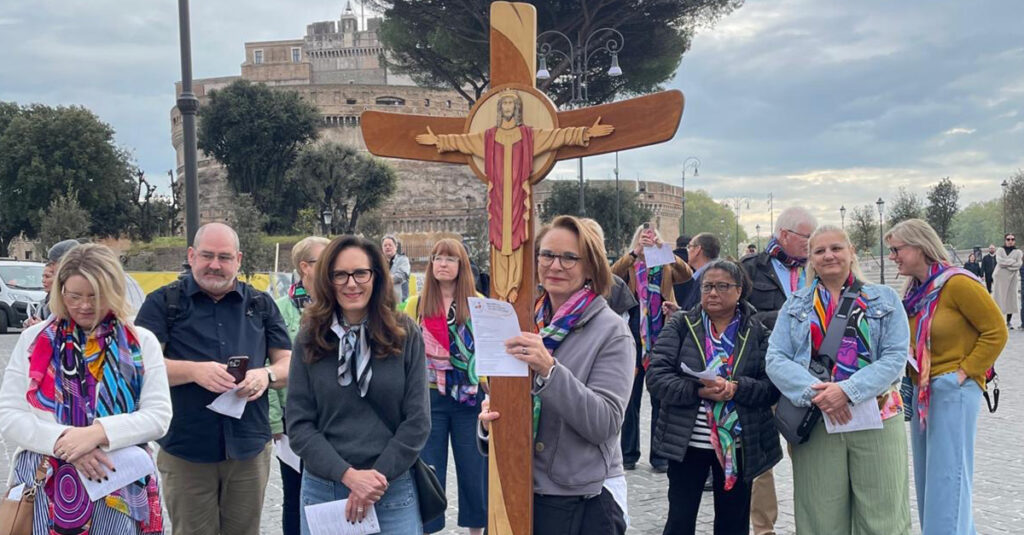
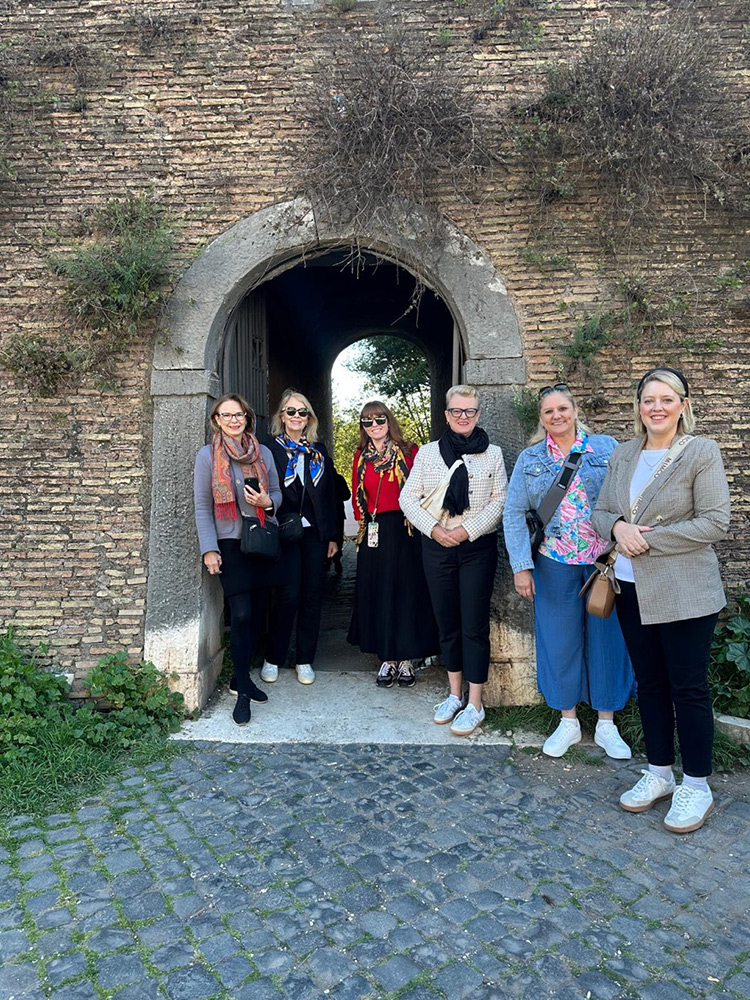
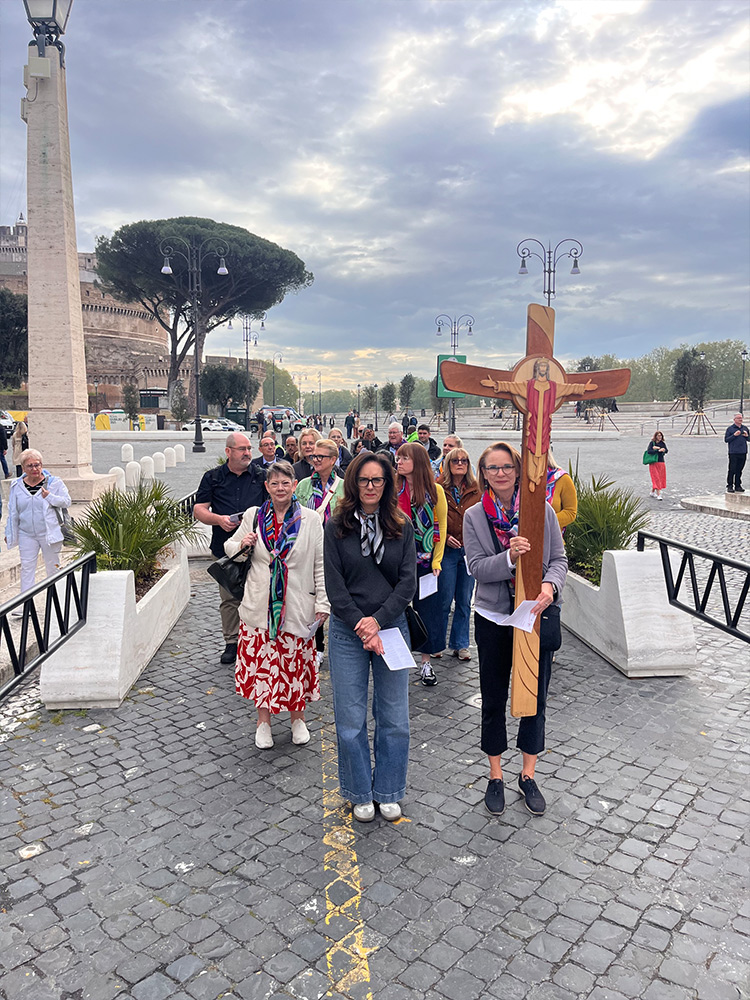
A group of Australian health and aged care leaders through ACU have gathered in Rome this Easter to take part in a pilgrimage as part of the Jubilee of the sick and healthcare workers. Together, it has been a formative experience that brings together the importance of reflection as part of the Catholic tradition, but made all the more impactful by the coming of Easter, and the Jubilee Year of Hope in 2025.
The pilgrimage journey is an ancient tradition steeped in history and rooted in faith, which invites us to raise our gaze beyond the ordinary, allowing us to step back from our daily routines and re-examine our purpose and mission. In this sacred act, we seek to better form ourselves, fostering a deeper commitment to the magnitude of the sacrifices that came before us, the work we do now, and the vision we must carry for the future of all.
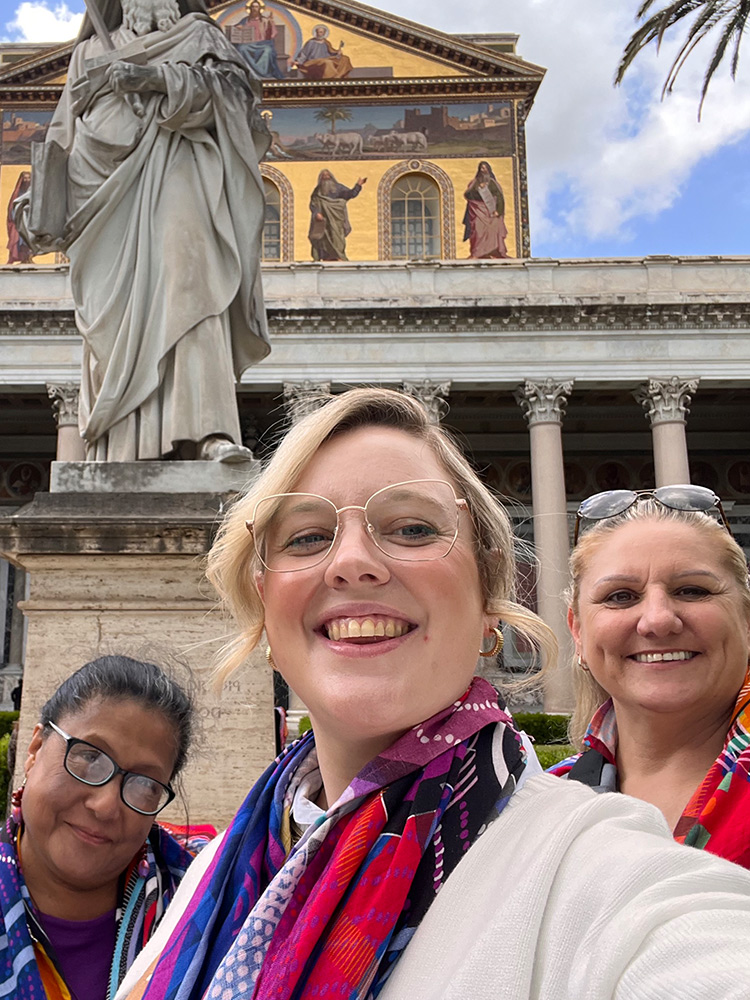
A pilgrimage serves as a powerful reminder that we are not merely providers of services. We are all, whether Catholic or not, bearers of a mission steeped in compassion and healing globally, across centuries. As we visited the resting places of both St Peter and St Paul, I was reminded of how different and diverse the people God called were. St Peter was a Jewish fisherman from Galilee, St Paul was a Roman, and a Pharisee who once persecuted early Christians, and went on to author 14 of the 27 books of the New Testament. The basilicas that now stand over their remains, were built across centuries by equally diverse people, who brought in a radical way, their whole selves, and their different talents to help build lasting testaments to faith and mission.
Importantly, it reminded me that none of the early disciples, nor any of the forebearers of our mission, could have lived long enough to see what their work would eventually become. It took 300 years for Christianity to be legalised after Christ. The construction of St Paul’s outside the walls commenced in the 4th century and was finalised in the 20th century. It took 19 years after their arrival for the Sisters of Charity to establish their first hospital in Australia, a period of time that encompassed many challenges no doubt. It serves as a reminder that the disappointments of today that we often endure, or the time that passes in creating lasting change, should not create despair or shake our resolve. We may not see the ultimate benefits of the role we play in our mission immediately and obviously, but that does not render it useless. We can harness the needs of the now, the suffering we see today, to shape our vision for the future with the assistance of a prevailing hope.
It is these experiences on pilgrimage that connect us to our heritage, linking our past to our present mission. They inspire us to transcend the sometimes-complex daily aspects of our work and rekindle the passion that drives us to serve others. In our own work, I have been reflecting on the core advocacy of CHA during the election campaign, and the battles we are facing, and the political disappoints we endure, to change our health and aged care sectors for the better through our democratic process.
It is precisely during this time, that it is important to remember that as we make sense of budget papers, funding commitments, and policy offerings that we never lose sight of our ultimate hope and vision for what a better world could look like. While the tensions for immediate reprieve amidst current challenges must be addressed with urgency for those who are suffering today, we must also keep our gaze on the world we wish to create for people, even if it is ultimately realised beyond our own lifespan. This is precisely the long-term vision, that those who went before us grasped steadfastly to, through hope and faith.
Particularly as part of Easter, a season of renewal and hope, it has been important for this group of health and aged care leaders to be reminded of the transformative power of resurrection and the promise of new beginnings. This pilgrimage together has offered us the chance to discern what that renewal looks like within ourselves, and the new beginnings, innovations and perspectives we can bring to this incredible legacy we are part of. This week, we have engaged with different models of care to our own in Italy, as they too find innovative ways to address challenges of care for the ageing and loneliness that permeates their communities. Hope wrestles with complexity and assists us in finding new ways through ambiguity.
Jubilee years can be traced back to the 1300’s in our history. Jubilee themes have historically emerged as a reflection of the challenges faced by society, guiding us in our response to the demands of our time. Therefore, it seems fitting that in all the conflict, complexity, and struggles of our current world, this year’s Jubilee theme is “Pilgrims of Hope”. The Gospel reading for the Jubilee Mass for the Sick and Healthcare worker, was a poignant reminder of this radical renewal and hope offered by Jesus, where he saved a woman experiencing moral condemnation, deprived of hope and a future, from death. It is a story that resonates deeply with our calling to care and offer life to people without judgement but also serves as a reminder of how healing can enter the lives of all of us, even in moments of darkness and exile.
As we entered the Holy Doors of St Peter’s Basilica in Rome as “pilgrims of hope”, we prayed for the work we represent, and the many who are part of it. May the pilgrimages we are all undertaking inspire us to look beyond our immediate surroundings and foster a deeper connection to our mission.
Together, let us advocate for a healthcare system that embodies the values of compassion, service, and hope, ensuring that we remain steadfast in our commitment to those we serve.
Brigid Meney is Director of Strategy & Mission at Catholic Health Australia
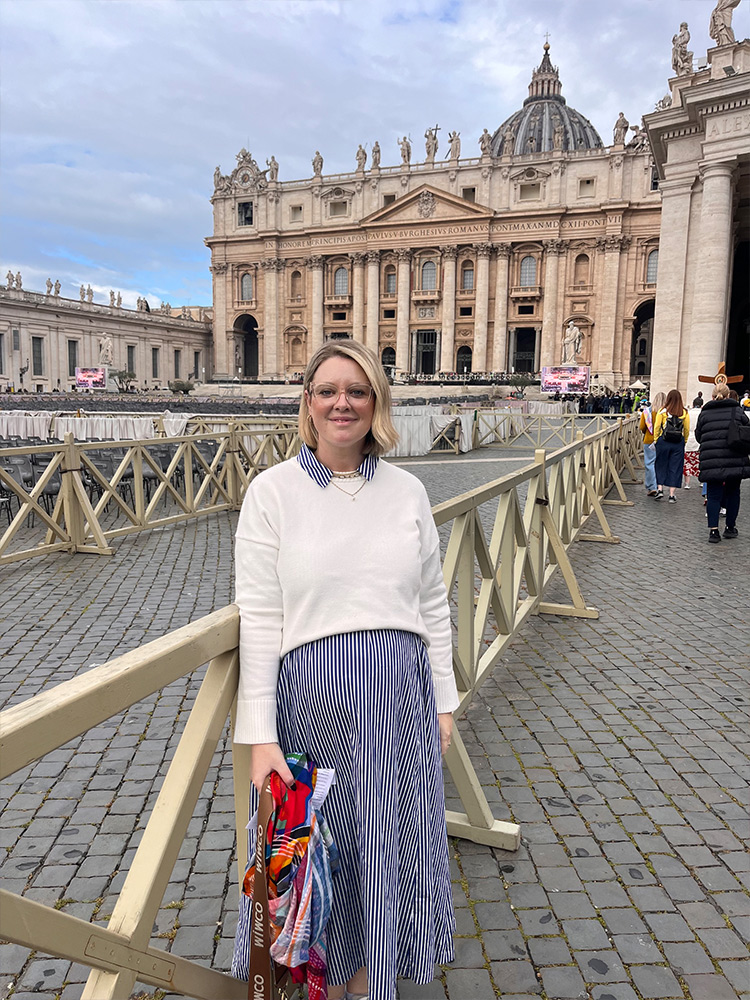
Brigid Meney
Catholic Health Australia Director of Mission. Brigid is a policy and advocacy expert who has more than a decade’s experience in the public and not-for-profit sectors