
Fringe festival tackles loneliness and isolation in aged care
March 9, 2026
St Vincent’s Private Lismore introduces ground-breaking robotic surgery
March 13, 2026
Opinion
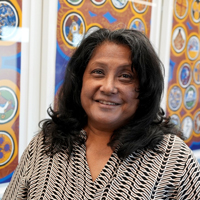
Darlene Dreise is National Director, Reconciliation at St Vincent’s Health Australia
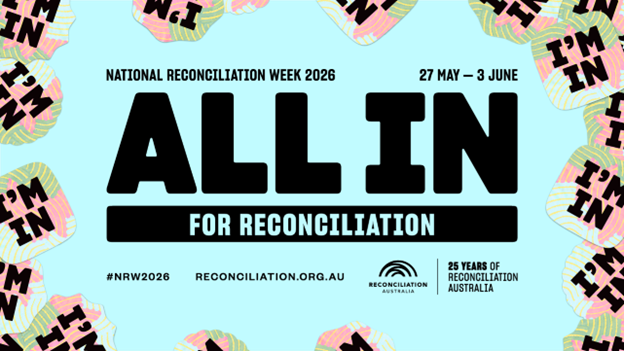
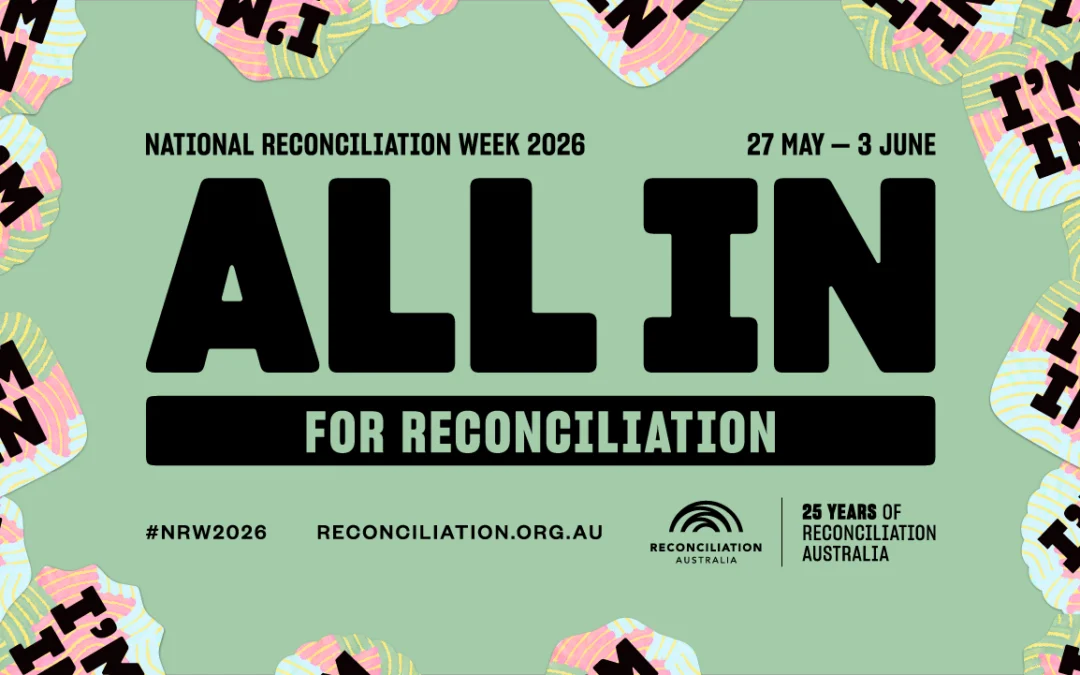
A few years ago, I was invited to a meeting of senior clinical leaders at a public hospital. They were distressed that programs for Aboriginal and Torres Strait Islander people were being described as “deadly”. I reassured the group that for many First Nations peoples, “deadly” means amazing, excellent, strong, and something to be proud of. That moment stayed with me — a reminder of the importance of cultural humility, listening, and the pursuit of excellence. It also shows why the themes of National Reconciliation Week (27 May – 3 June 2026), “All In,” and NAIDOC Week (5–12 July 2026), “50 Years of Deadly,” though distinct, align strongly in 2026.
All In is a call to action for every Australian. Reconciliation is not observed from the sidelines — this movement needs to be consciously prioritized and animated every day. All In invites us to bring our values, leadership, and courage to building systems where every person can flourish. It also means recognising that equitable health outcomes across the lifespan are foundational to reconciliation in our sector. From early childhood through to ageing well and Eldership, Aboriginal and Torres Strait Islander peoples deserve care that is culturally safe, locally informed, shaped by community and cultural priorities, and delivered in ways that are stronger and safer. Equity requires sustained effort, reform, and a willingness to exercise humility so First Nations voices lead decisions about health, healing, and wellbeing.
NAIDOC’s 50 Years of Deadly celebrates community strength, cultural pride, and creative leadership. Across five decades, Aboriginal Community Controlled Health Organisations (ACCHOs) have transformed care through self‑determined, holistic models now recognised as best practice. Improvements in childhood immunisation, maternal health, and community‑led public health programs reflect the strength of these approaches.
Joint models of care between hospitals, aged care and ACCHOs show what is possible when communities and services work together. Strengthening this leadership means partnering with ACCHOs and First Nations peak bodies, recognising their authority, cultural expertise, and the effectiveness of community‑led care. As healthcare becomes more virtual and distributed, Catholic services should design models that complement — not duplicate — the vital work of ACCHOs and support First Nations–led digital health and prevention. At the same time, our commitment to excellence in secondary and tertiary healthcare, and in aged care, requires culturally safe, high‑quality complex services delivered in close collaboration with ACCHOs, particularly where specialist care is needed.
The next 50 years of deadly will be shaped by choices we make today. Our responsibility is clear: to be all in — not only in principle, but in action. When we prioritise and enable the voices of First Nations peoples, we help build healthcare systems that are wiser, stronger, and more compassionate. When we honour cultural knowledge, follow community leadership, and commit to equity, the benefits are shared by all: healthier families, stronger Elders, and flourishing communities. By choosing to be all in and uplifting First Nations leadership, we help build the momentum for deadly healthcare that benefits every generation.
Darlene Dreise is National Director, Reconciliation at St Vincent’s Health Australia
Darlene Dreise is National Director, Reconciliation at St Vincent’s Health Australia